Kosashvili’s Basket Weaving Workshop
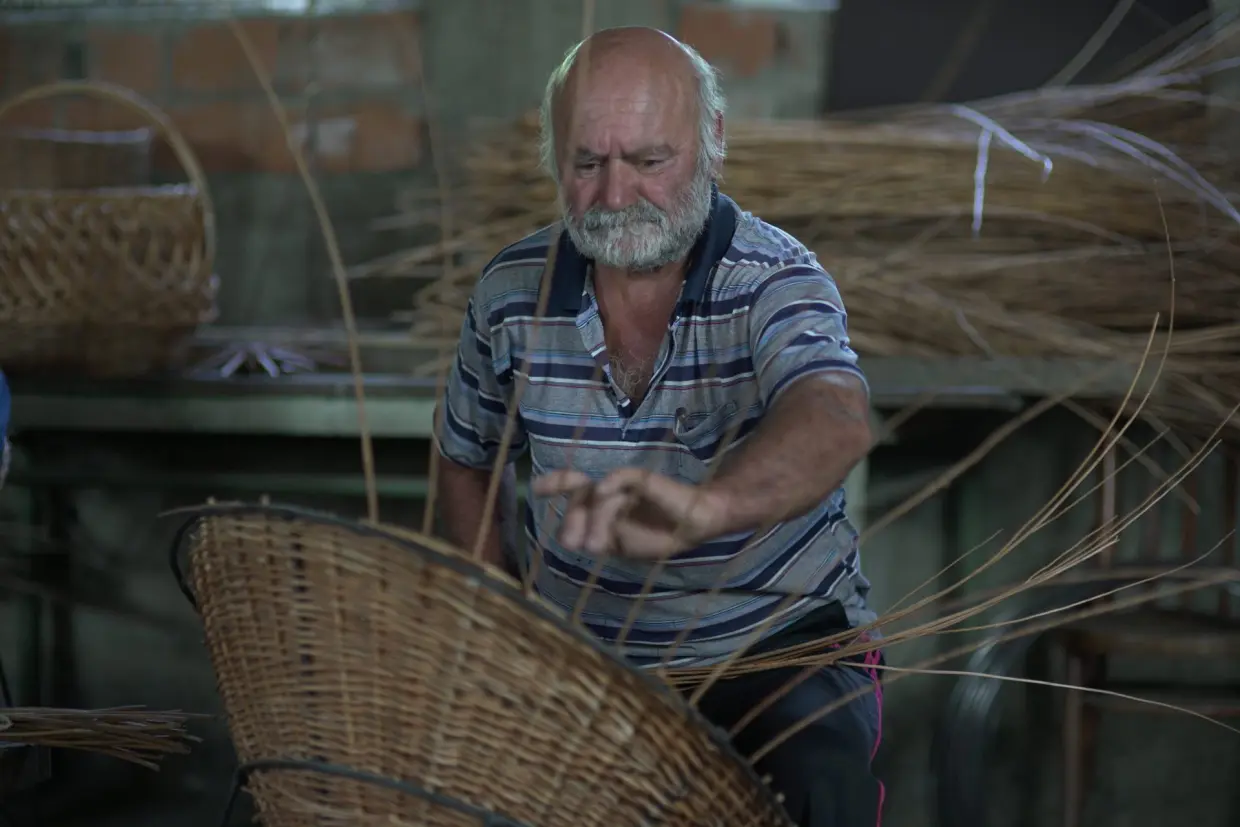
Basketry has been one of the most important and widespread traditional crafts in Georgia, closely connected to the everyday life of local communities for centuries. Baskets were used for both household and agricultural purposes – for storing, transporting, and handling various goods.
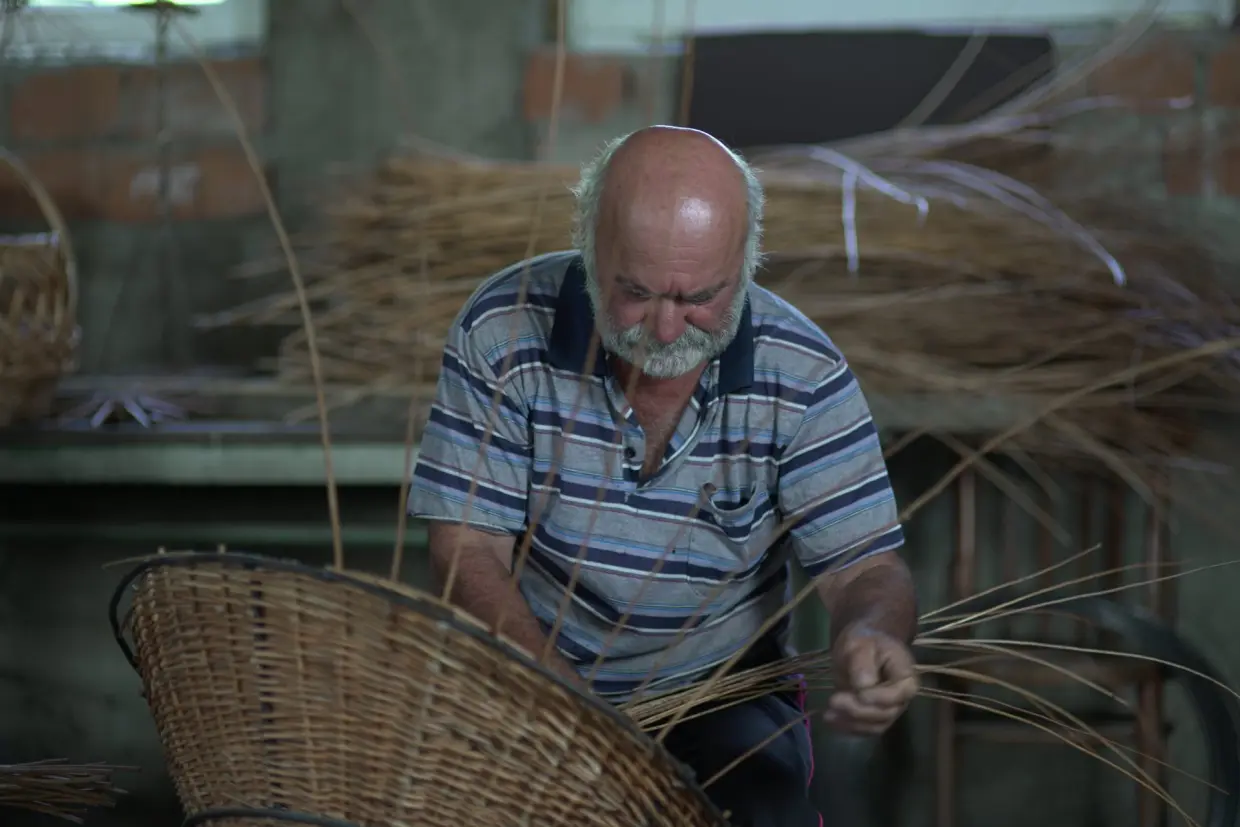
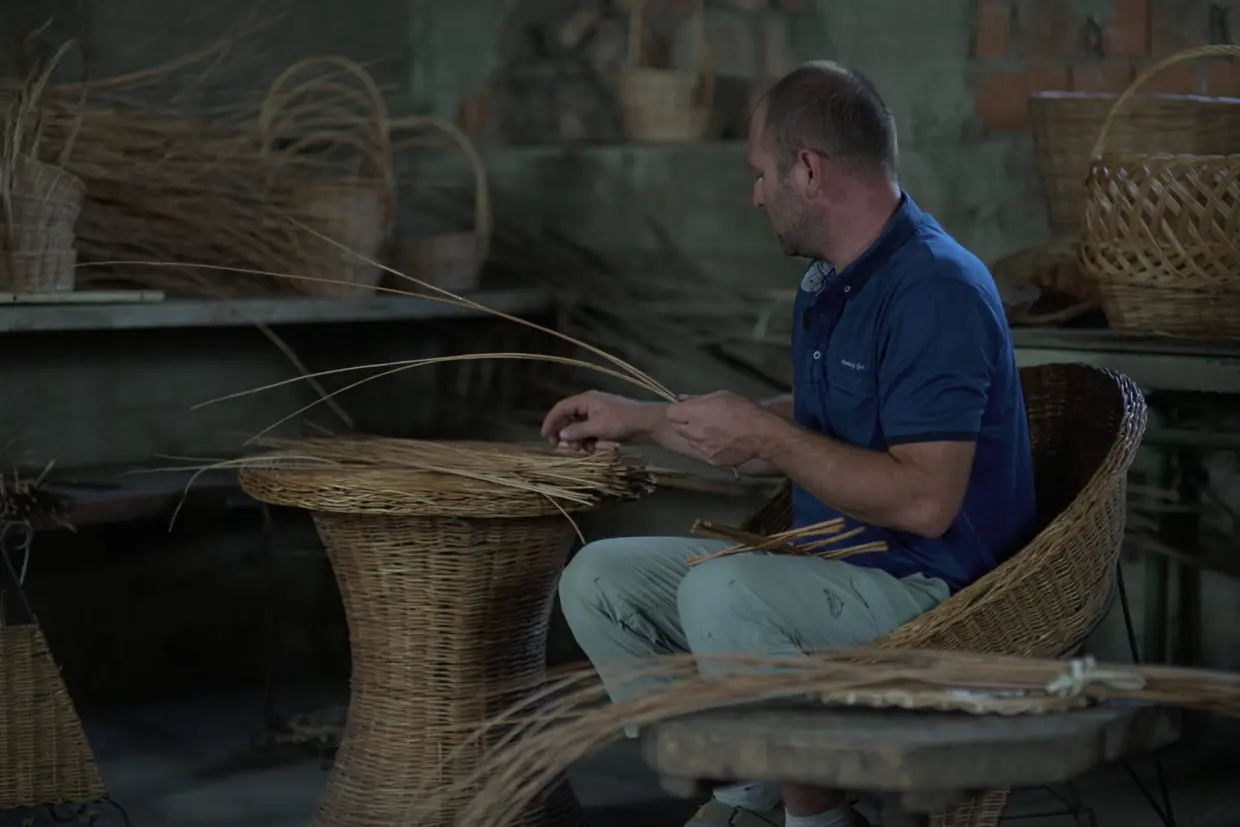
The Kosashvili family has been continuing this ancient tradition for many years, playing a significant role in its preservation and development. The head of the family, Zurab Kosashvili, established a workshop in the village of Kvemo Gomi, in the Kaspi Municipality. There, together with other family members, he creates works that combine traditional craftsmanship with contemporary needs.
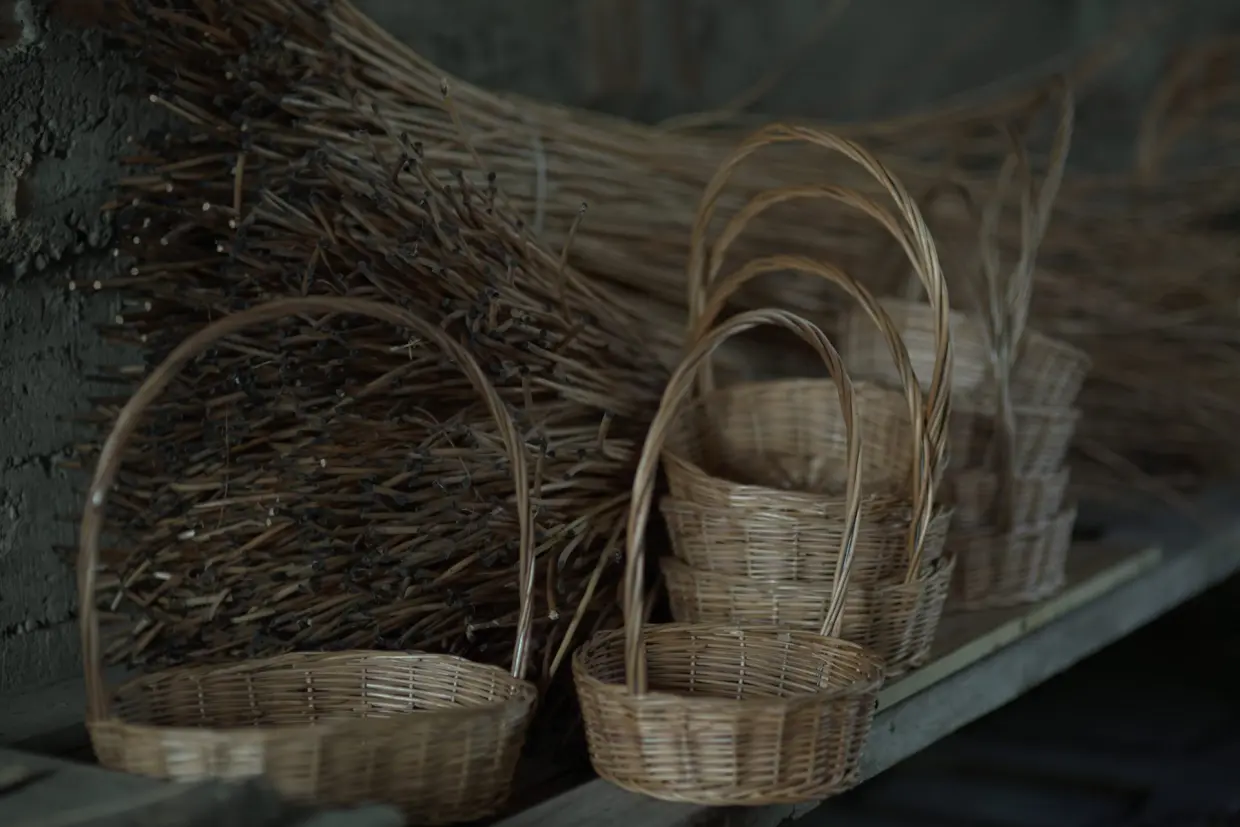
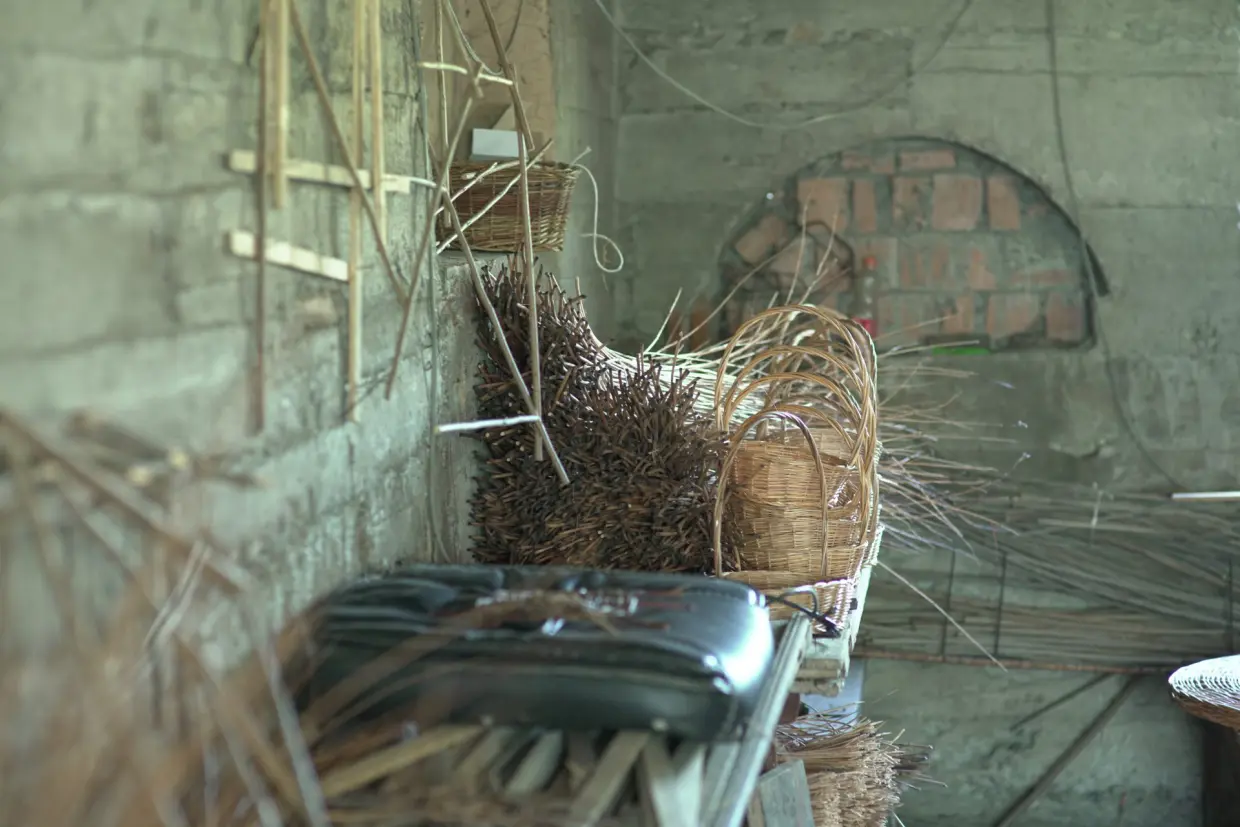
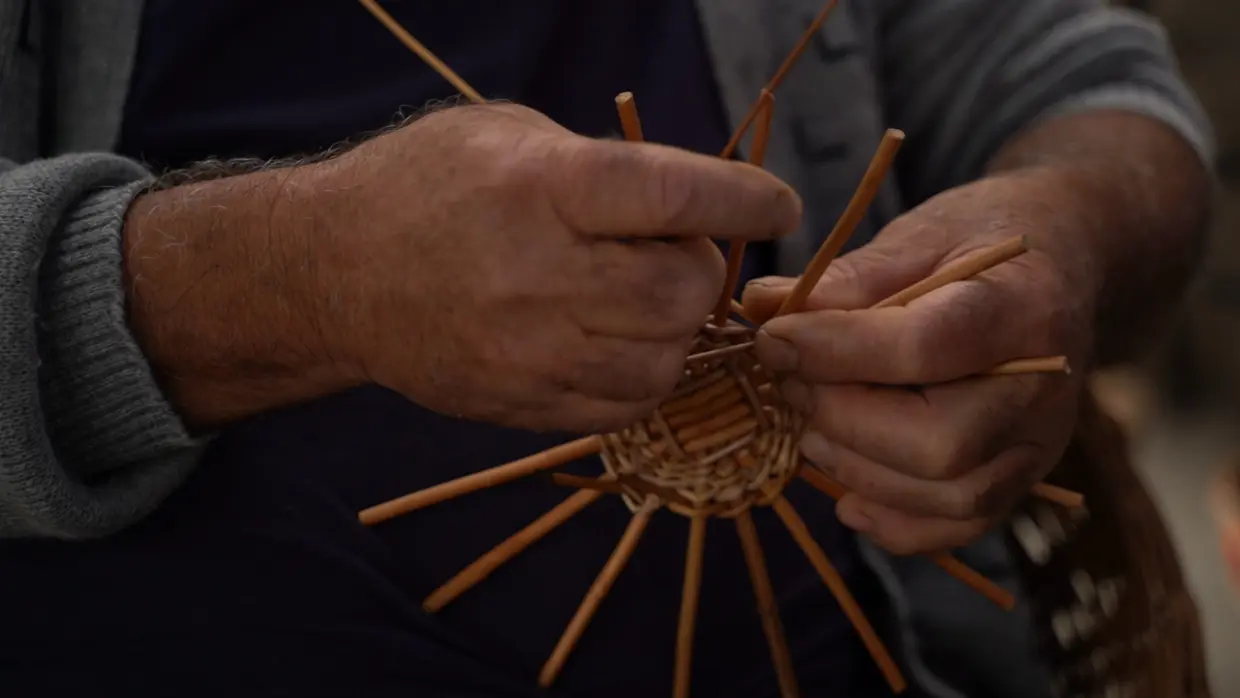
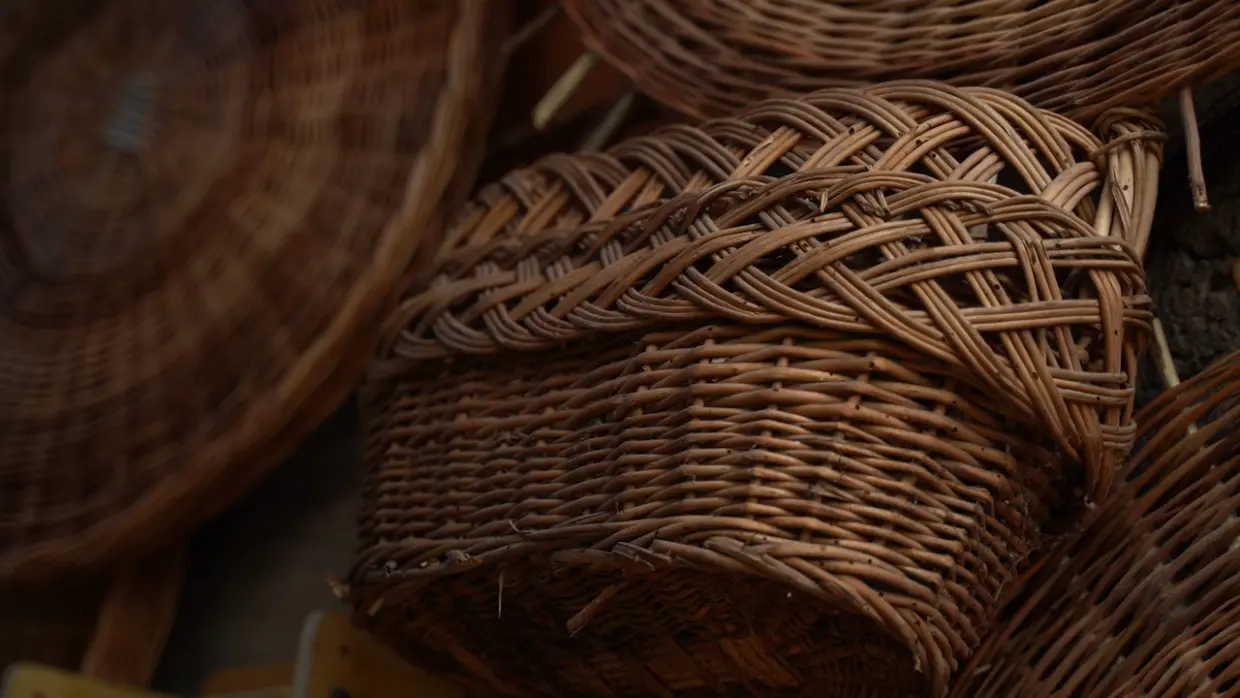
The primary material used in the workshop is willow, specifically willow rods that grow along nearby riverbanks. This natural resource enables the artisans to produce environmentally friendly and durable products. Working with willow and mastering weaving techniques require considerable experience and precision, knowledge that is passed down from generation to generation.
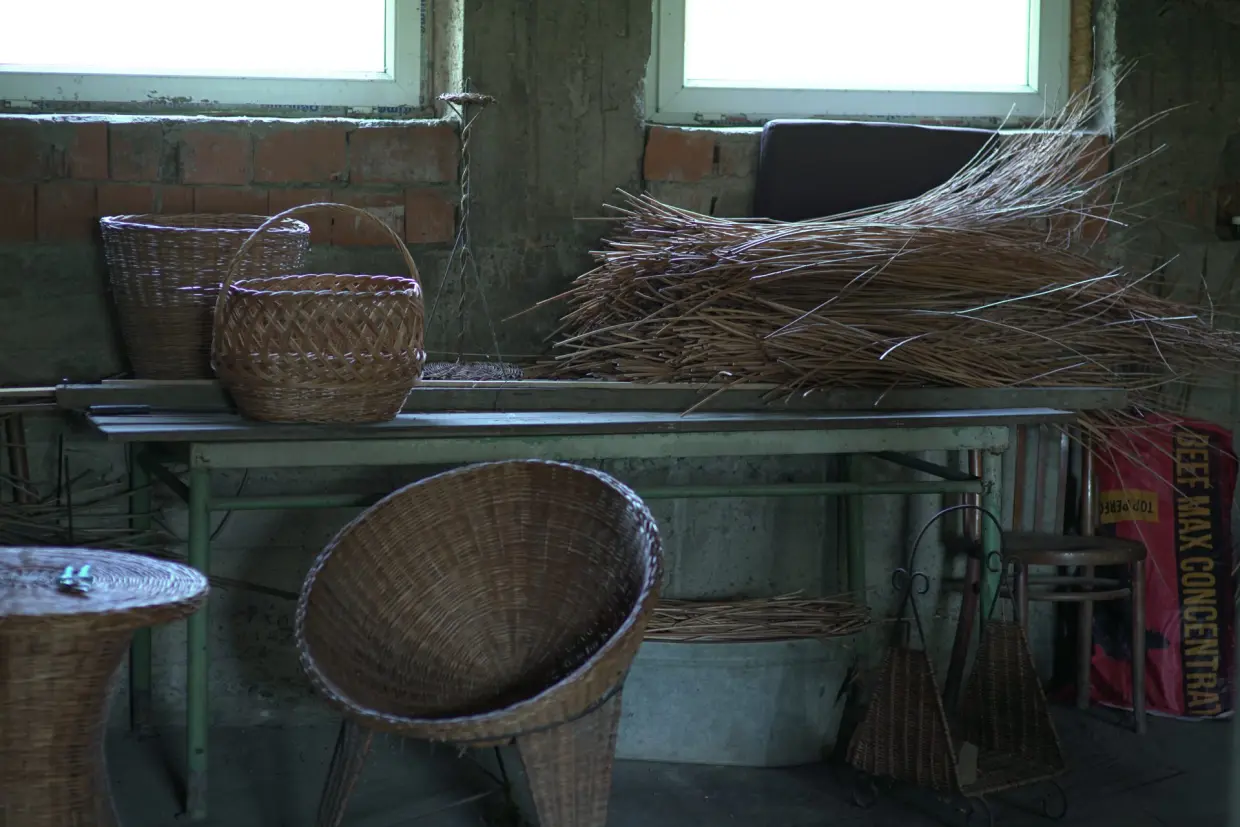
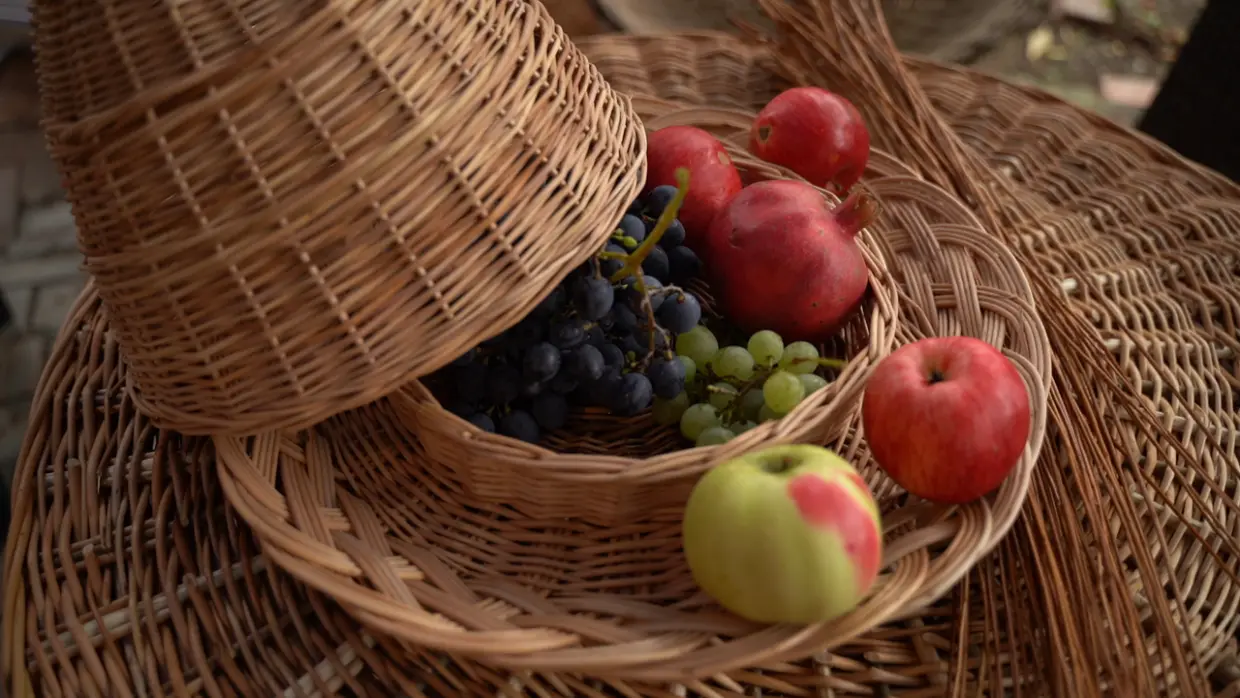
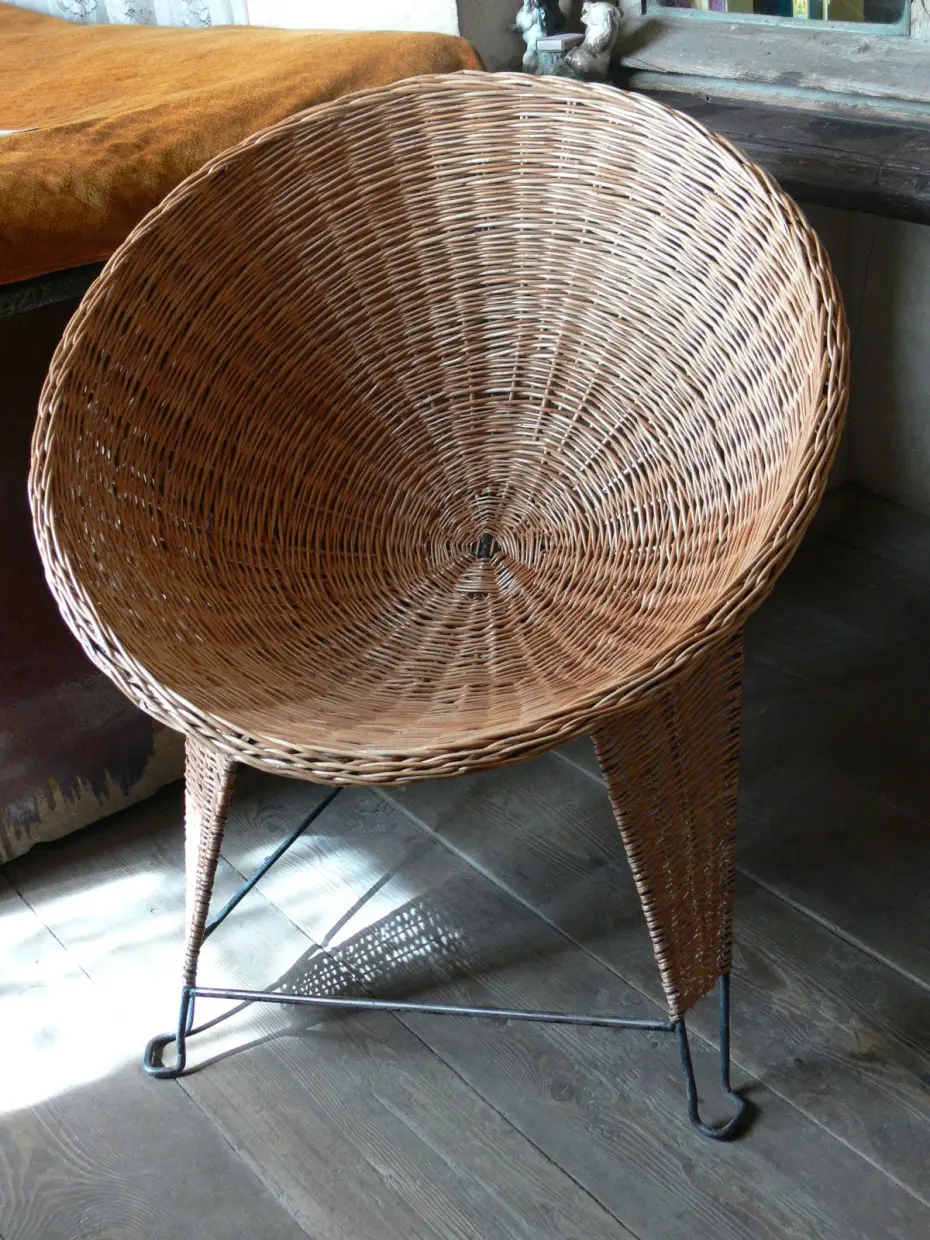
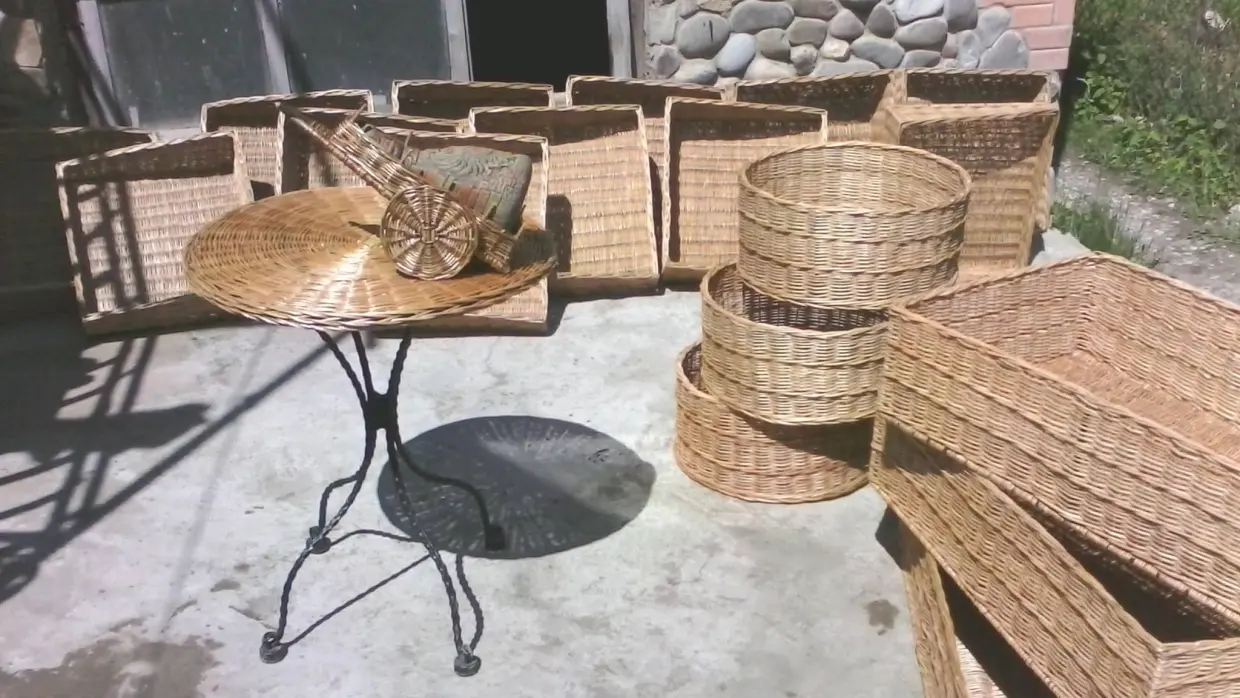
The workshop produces a wide variety of woven items, including baskets, vases, storage containers (gideli), large storage baskets (godoli), as well as other household and decorative objects. In addition, woven furniture is also created, representing a fusion of traditional aesthetics and modern design.
The Kosashvili workshop is not only a place of production but also a space for sharing knowledge. Masterclasses are held here, where interested individuals can learn about basketry techniques and try this craft themselves. In this way, the workshop contributes both to the promotion of traditional craftsmanship and to its transmission to future generations.
Atelier de vannerie Kosashvili
La vannerie est depuis des siècles l’un des métiers traditionnels les plus importants et les plus répandus en Géorgie, étroitement lié à la vie quotidienne des communautés locales. Les paniers étaient utilisés aussi bien dans la sphère domestique qu’agricole, pour stocker, transporter et manipuler différents types de produits.
La famille Kosashvili perpétue cette ancienne tradition depuis de nombreuses années et joue un rôle important dans sa préservation et son développement. Le chef de famille, Zurab Kosashvili, a fondé un atelier dans le village de Kvemo Gomi, dans la municipalité de Kaspi. Là, avec les autres membres de sa famille, il crée des œuvres qui associent artisanat traditionnel et besoins contemporains.
Le principal matériau utilisé dans l’atelier est le saule, plus précisément les brins de saule qui poussent le long des berges des rivières voisines. Cette ressource naturelle permet aux artisans de produire des objets durables et respectueux de l’environnement. Le travail du saule et la maîtrise des techniques de tressage exigent une grande expérience et une grande précision, un savoir-faire transmis de génération en génération.
L’atelier produit une grande variété d’objets tressés, notamment des paniers, des vases, des contenants de stockage (gideli), de grands paniers de stockage (godoli), ainsi que d’autres objets domestiques et décoratifs. Du mobilier tressé y est également réalisé, représentant une fusion entre esthétique traditionnelle et design contemporain.
L’atelier Kosashvili n’est pas seulement un lieu de production, mais aussi un espace de transmission des savoirs. Des masterclasses y sont organisées afin que les personnes intéressées puissent découvrir les techniques de la vannerie et s’essayer elles-mêmes à cet artisanat. De cette manière, l’atelier contribue à la fois à la promotion de l’artisanat traditionnel et à sa transmission aux générations futures.
Taller de cestería Kosashvili
La cestería ha sido durante siglos uno de los oficios tradicionales más importantes y extendidos de Georgia, estrechamente vinculado a la vida cotidiana de las comunidades locales. Las cestas se utilizaban tanto en el ámbito doméstico como agrícola para almacenar, transportar y manipular distintos productos.
La familia Kosashvili lleva muchos años continuando esta antigua tradición y desempeña un papel importante en su preservación y desarrollo. El cabeza de familia, Zurab Kosashvili, fundó un taller en el pueblo de Kvemo Gomi, en el municipio de Kaspi. Allí, junto con otros miembros de la familia, crea obras que combinan la artesanía tradicional con las necesidades contemporáneas.
El principal material utilizado en el taller es el sauce, concretamente las varas de sauce que crecen a lo largo de las orillas de los ríos cercanos. Este recurso natural permite a los artesanos producir objetos duraderos y respetuosos con el medio ambiente. Trabajar el sauce y dominar las técnicas de tejido requiere una gran experiencia y precisión, conocimientos que se transmiten de generación en generación.
El taller produce una amplia variedad de objetos tejidos, entre ellos cestas, jarrones, recipientes de almacenamiento (gideli), grandes cestas de almacenamiento (godoli), así como otros objetos domésticos y decorativos. Además, también se crea mobiliario tejido, representando una fusión entre la estética tradicional y el diseño contemporáneo.
El taller Kosashvili no es solo un lugar de producción, sino también un espacio de transmisión de conocimientos. Allí se organizan masterclasses en las que las personas interesadas pueden aprender técnicas de cestería y probar este oficio por sí mismas. De este modo, el taller contribuye tanto a la promoción de la artesanía tradicional como a su transmisión a las futuras generaciones.
Laboratorio di cesteria Kosashvili
La cesteria è stata per secoli uno dei mestieri tradizionali più importanti e diffusi in Georgia, strettamente legato alla vita quotidiana delle comunità locali. I cesti venivano utilizzati sia in ambito domestico che agricolo, per conservare, trasportare e maneggiare diversi tipi di prodotti.
La famiglia Kosashvili porta avanti questa antica tradizione da molti anni, svolgendo un ruolo significativo nella sua conservazione e nel suo sviluppo. Il capofamiglia, Zurab Kosashvili, ha fondato un laboratorio nel villaggio di Kvemo Gomi, nel comune di Kaspi. Qui, insieme agli altri membri della famiglia, realizza opere che combinano l’artigianato tradizionale con le esigenze contemporanee.
Il materiale principale utilizzato nel laboratorio è il salice, in particolare i rami di salice che crescono lungo le rive dei fiumi vicini. Questa risorsa naturale permette agli artigiani di creare prodotti durevoli ed ecologici. Lavorare il salice e padroneggiare le tecniche di intreccio richiede grande esperienza e precisione, un sapere che viene trasmesso di generazione in generazione.
Il laboratorio produce una grande varietà di oggetti intrecciati, tra cui cesti, vasi, contenitori per la conservazione (gideli), grandi cesti da stoccaggio (godoli), oltre ad altri oggetti domestici e decorativi. Inoltre, vengono realizzati anche mobili intrecciati, che rappresentano una fusione tra estetica tradizionale e design contemporaneo.
Il laboratorio Kosashvili non è soltanto un luogo di produzione, ma anche uno spazio di condivisione del sapere. Qui vengono organizzate masterclass durante le quali gli interessati possono apprendere le tecniche della cesteria e sperimentare personalmente questo mestiere. In questo modo, il laboratorio contribuisce sia alla promozione dell’artigianato tradizionale sia alla sua trasmissione alle future generazioni.
საქართველოში მეკალათეობა ტრადიციული რეწვის ერთ-ერთი მნიშვნელოვანი და ფართოდ გავრცელებული დარგი იყო, რომელიც საუკუნეების განმავლობაში ადგილობრივი მოსახლეობის ყოველდღიურ ცხოვრებასთან მჭიდროდ იყო დაკავშირებული. კალათები გამოიყენებოდა როგორც საოჯახო, ისე სამეურნეო საქმიანობაში – პროდუქტის შესანახად, გადასატანად და სხვადასხვა საჭიროებისთვის.
ქოსაშვილების ოჯახი ამ უძველეს ტრადიციას უკვე მრავალი წელია აგრძელებს და მის შენარჩუნებასა და განვითარებაში მნიშვნელოვან როლს ასრულებს. ოჯახის უფროსმა, ზურაბ ქოსაშვილმა, კასპის მუნიციპალიტეტში, სოფელ ქვემო გომში დააარსა სახელოსნო. აქ იგი ოჯახის სხვა წევრებთან ერთად ქმნის ტრადიციულ და თანამედროვე მოთხოვნებზე მორგებულ ნამუშევრებს.
სახელოსნოში ძირითად მასალად გამოიყენება ტირიფის წნელი, რომელიც ახლომდებარე მდინარის ნაპირებზე იზრდება. ეს ბუნებრივი რესურსი ოსტატებს საშუალებას აძლევს, ეკოლოგიურად სუფთა და გამძლე პროდუქცია შექმნან. ტირიფის დამუშავება და წნულის ტექნიკა დიდ გამოცდილებასა და სიზუსტეს მოითხოვს, რაც თაობიდან თაობას გადაეცემა.
სახელოსნოში იქმნება წნულის ტექნიკით შესრულებული მრავალფეროვანი ნივთები, მათ შორის: კალათები, ლარნაკები, გიდელი, გოდოლი და სხვა საყოფაცხოვრებო თუ დეკორატიული პროდუქცია. გარდა ამისა, აქ მზადდება წნული ავეჯიც, რომელიც ტრადიციული ესთეტიკისა და თანამედროვე დიზაინის შერწყმის მაგალითია.
ქოსაშვილების სახელოსნო არა მხოლოდ წარმოების სივრცეა, არამედ ცოდნის გაზიარების ადგილიც – აქ იმართება მასტერკლასები, სადაც დაინტერესებულ პირებს შეუძლიათ გაეცნონ მეკალათეობის ტექნიკას და თავადაც სცადონ ამ ხელოვნების შესწავლა. ამგვარად, სახელოსნო ხელს უწყობს როგორც ტრადიციული რეწვის პოპულარიზაციას, ისე მისი მომავალი თაობებისთვის გადაცემას.



 Ana Shanshiashvili
 Organizaciones
 Arquitectura - Construcción +13
 Tbilisi, Georgia
