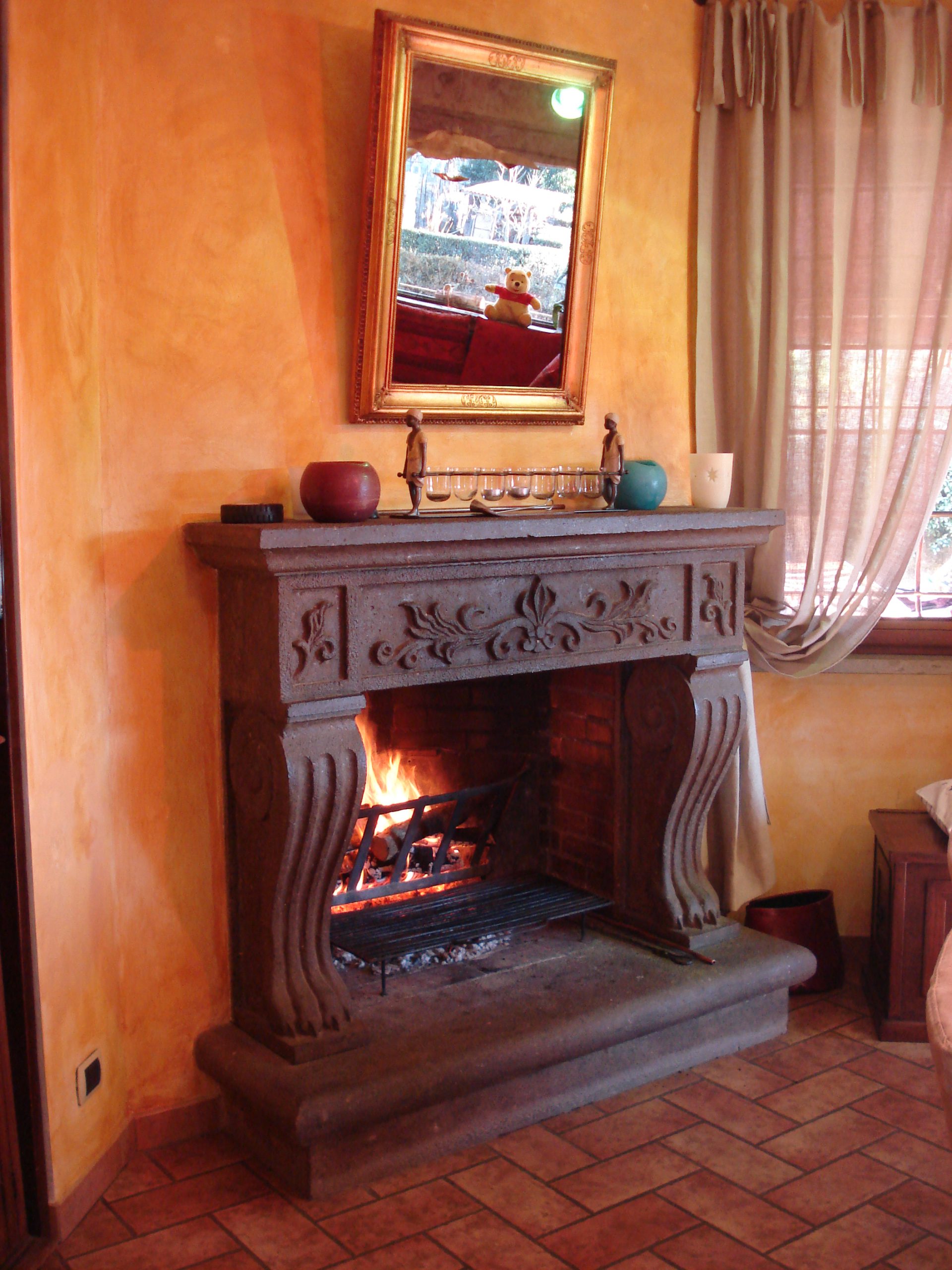
Visit of Musée Charlier – Step n. 22. In this room, you can see a large cast-iron hearth stone inside the fireplace, which absorbs heat from the fire and reflects it back into the room.
The modern fireplace evolved from Palaeolithic hearths, through Roman hypocausts, and into early Middle Ages fireplaces. Previously, the cast iron hearth building was positioned in the center of the room, with a hole in the roof to allow smoke to escape. This approach kept the fire away from the walls, which were typically constructed of wood. In the Middle Ages, timber-framed houses were replaced by stone-built homes with flues – or ‘chimney flues’ – which allowed the chimney to be placed against the walls, reducing the fire hazard.
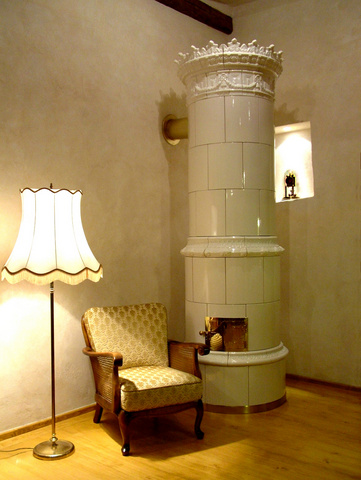
Cast iron or earthenware stoves, with clay mounted on the front in the latter case, can both be created or restored by the stove manufacturer. It goes through moulding, casting, polishing, and deburring.
The combustion chamber of practically all stoves or fireplaces with an enclosed hearth is lined with cast-iron slabs. Heat is progressively released from this substance. Traditional radiators and cast iron fireplaces share many similarities, but the visual appeal of the former is significantly greater. They can become the focal point of the space and are appropriate for both more traditional and modern settings.
HARD STONES CRAFTS TODAY