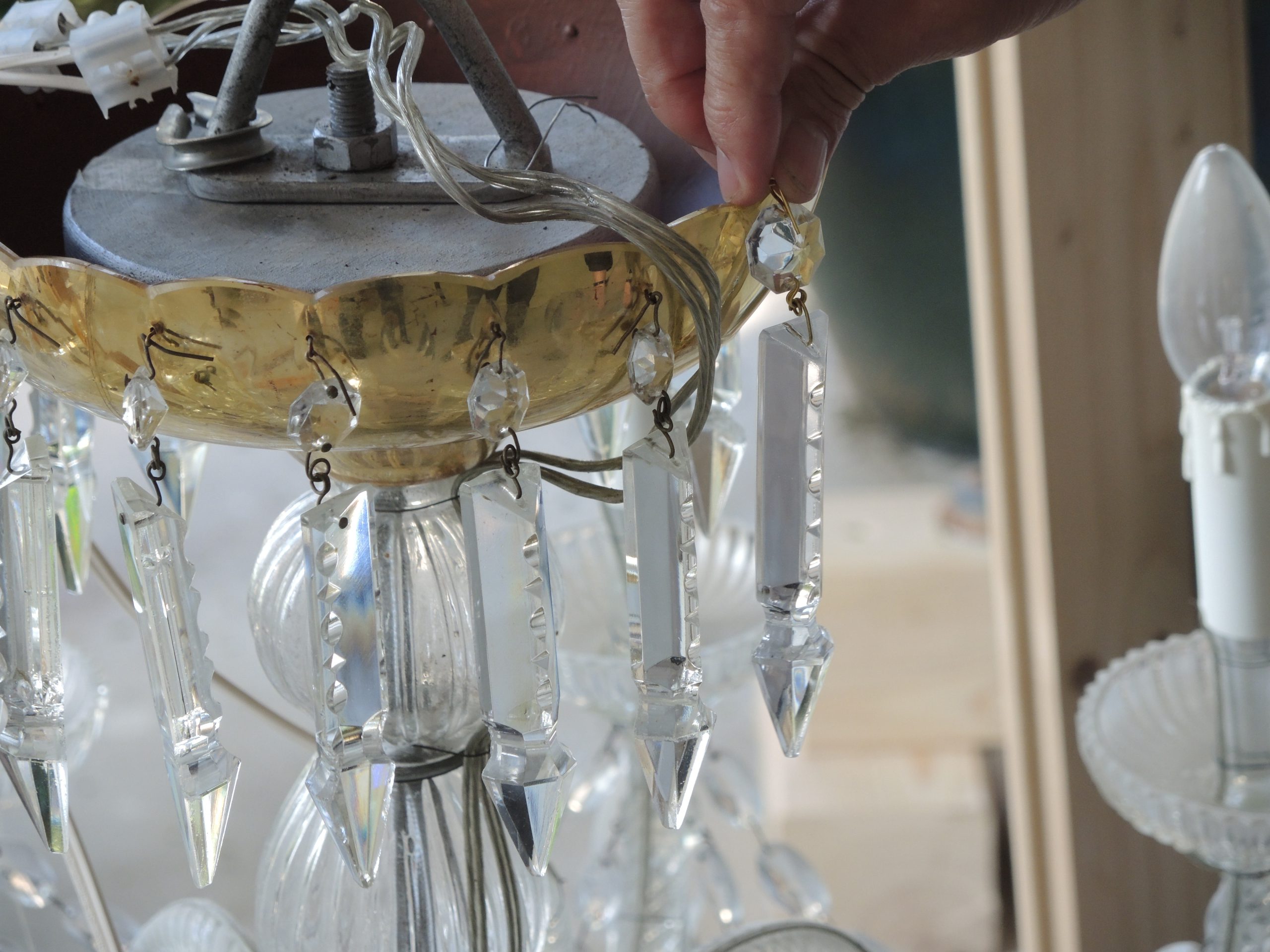
Visit of Musée Charlier – Step n. 4. Since the 18th century, Belgian glassmakers have attempted to imitate English crystals. Zoude in Namur was the first to do so (1753-1867), but other manufacturers quickly followed suit: Vonêche in the Ardennes in 1778 and Val-Saint-Lambert in Seraing in 1826.
Many of the pieces on display are unmarked, making it difficult to determine where they were manufactured. This is made more difficult by the insecurity of those factories: it was not uncommon for them to close due to financial troubles; as a result, glassmakers migrated from one to another, collaborated, and inspired one another. Nonetheless, there are several connections between the sculptures on display and Vonêche’s early 19th-century colourless crystal works.
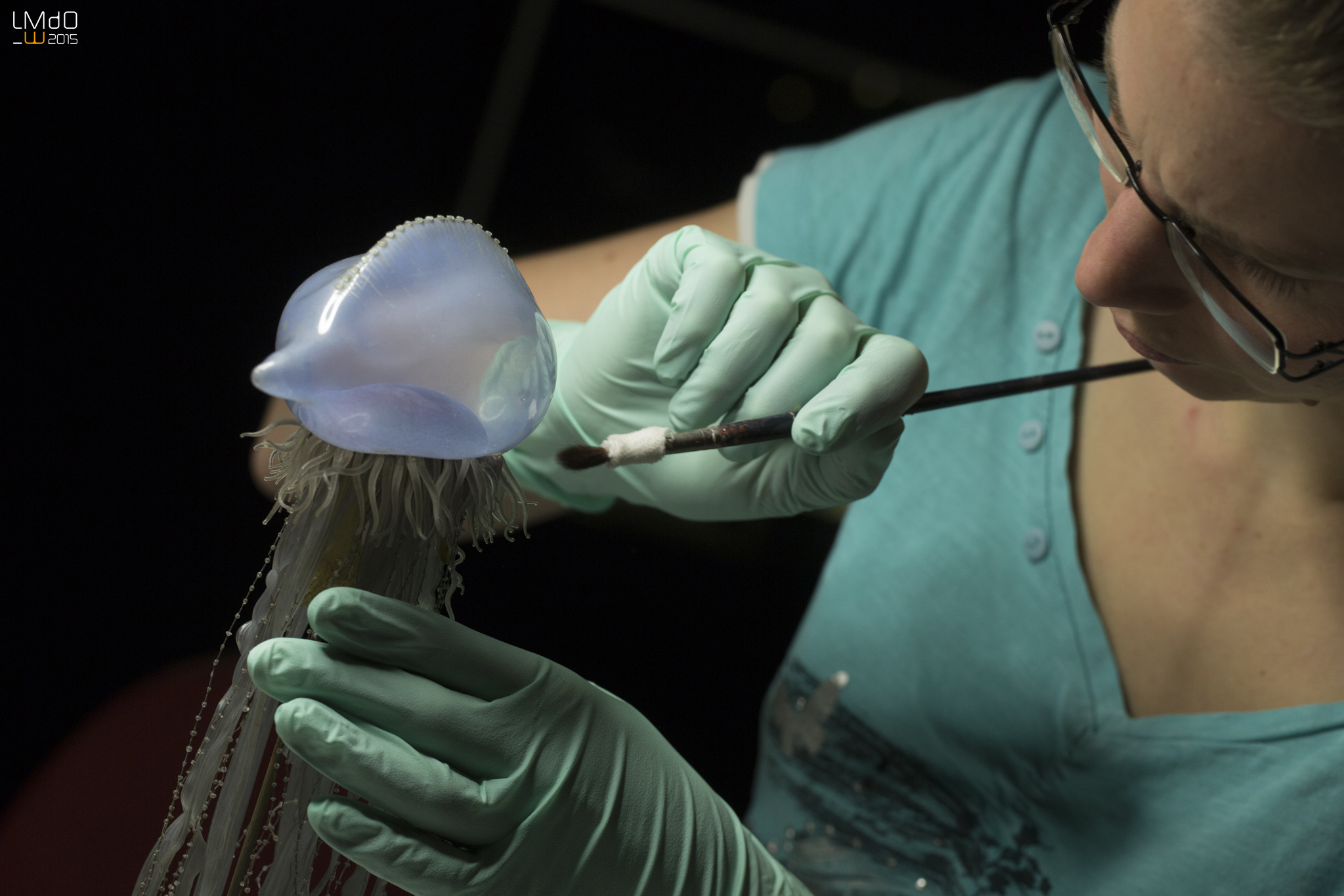
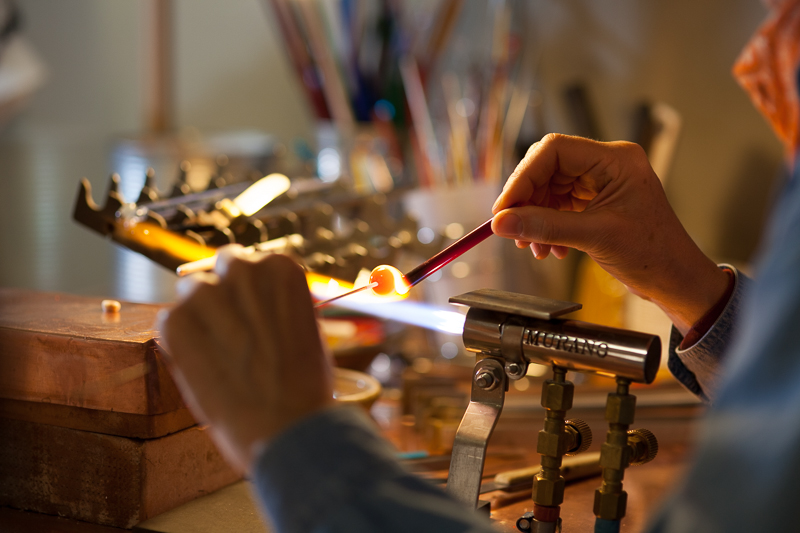
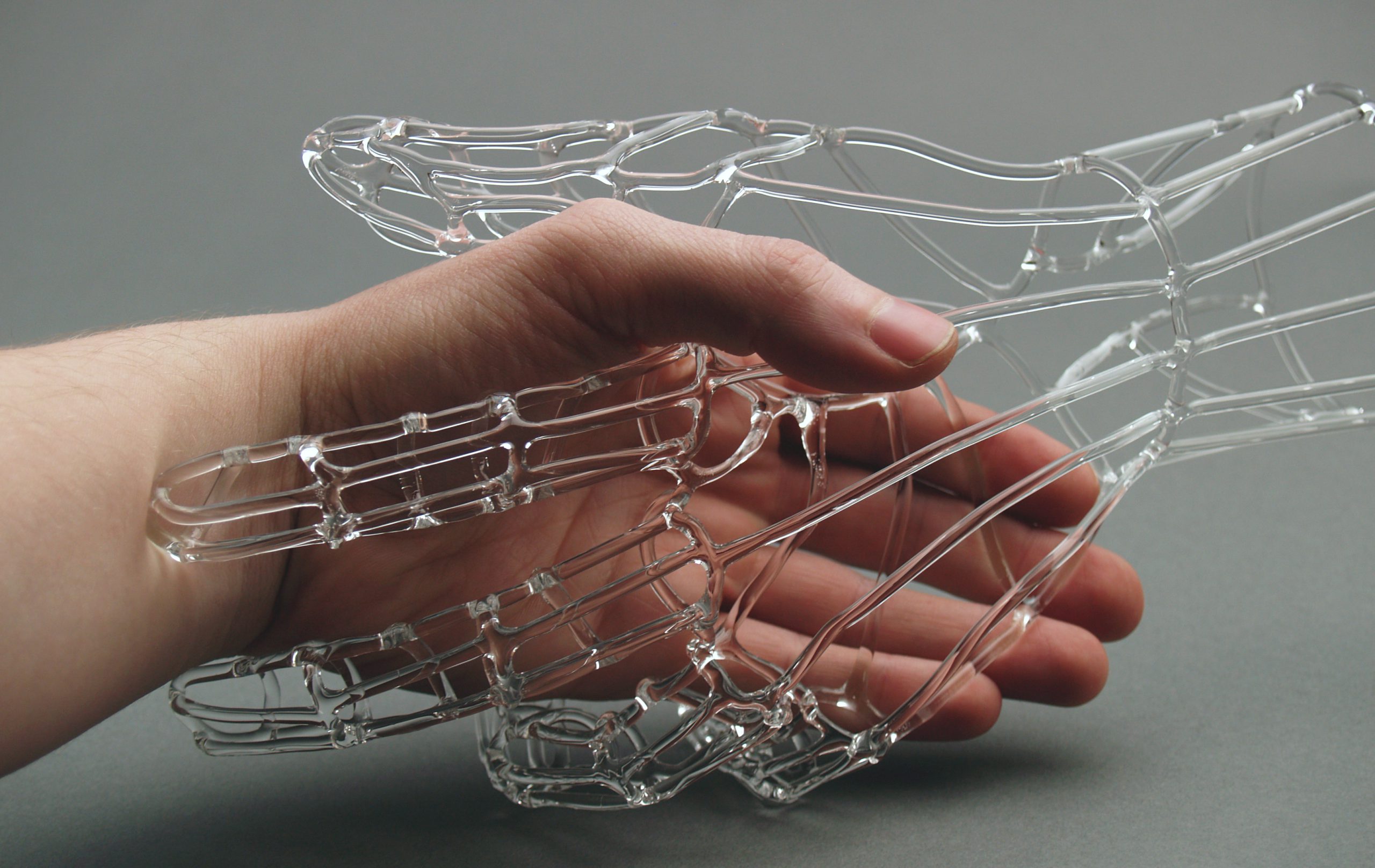
The blowtorch is an essential tool for shaping glass in order to create these handicrafts; by manipulating glass tubes and rods under the heat of a blowtorch, the craftsman can produce bottles, beads, or sculptures. When using lead crystal, sodium-calcium glass, or borosilicate glass, he adjusts the temperature accordingly. The torch shaper shapes glass that has been made pliable by the action of the blowtorch flame from transparent or coloured rods, sodocalcic glass tubes.
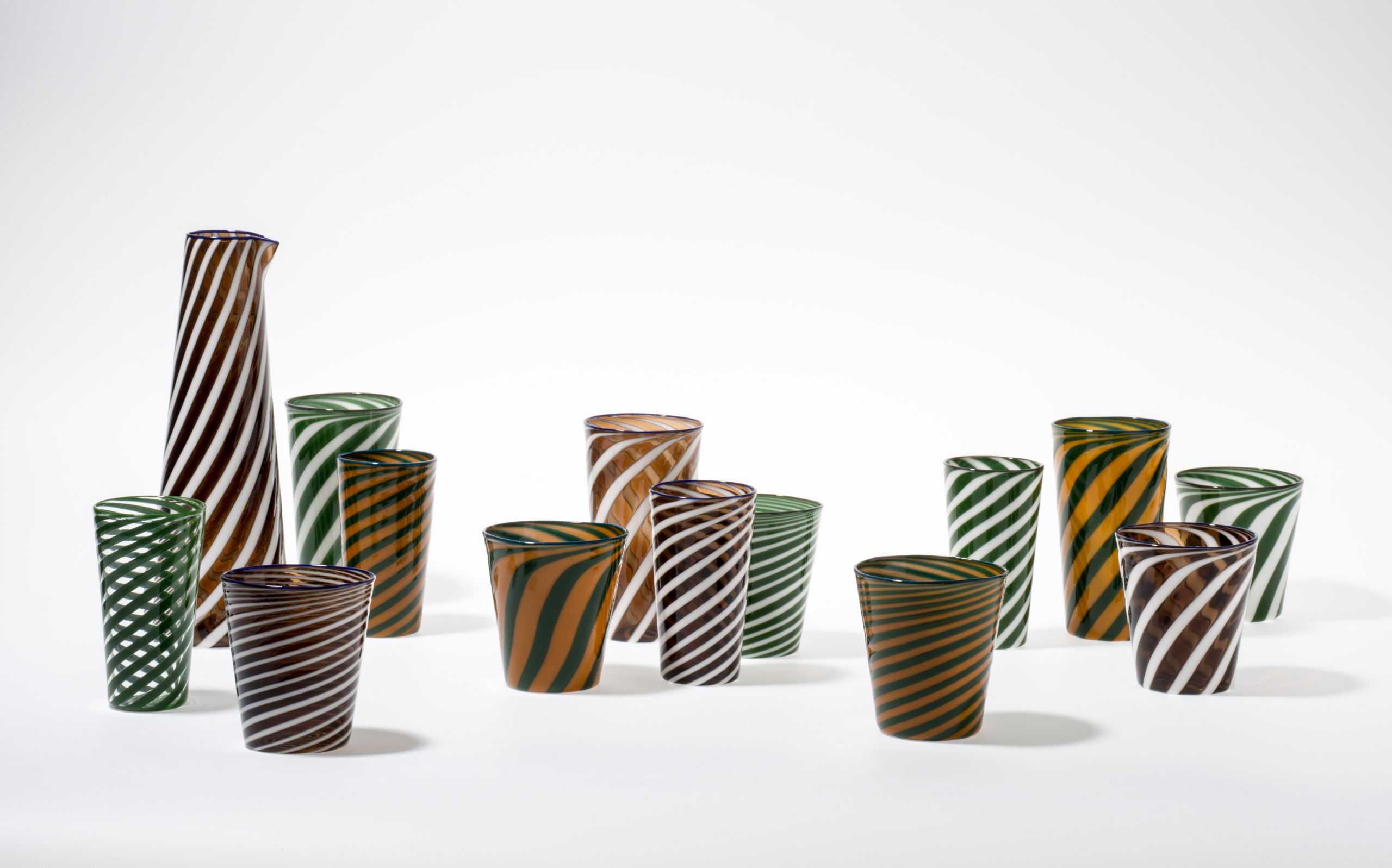
No matter the provenance, looking at these engraved glasses one can’t help but wonder: how does the engraving of glass work?
Isabelle Pirotte experimented with different techniques before discovering wheel engraving in 2017. This technique involves the use of wheels mounted on an engraving lathe. These wheels remove the material and decorate the object, according to the desired result, one uses a wheel made of a different material: diamond, copper, stone, synthetic materials, felt, and cork.
GLASS CRAFTS TODAY