


“World peace cannot be safeguarded without creative efforts proportionate to the dangers which threaten it.”
Robert Schuman, 1950
Europe is more than a union of states – it is a union of spirit. Through shared values and diverse identities, craftspeople shape our heritage and our future. On May 9th, we celebrated the 75th anniversary of the 1950 Schuman Declaration – the foundation of the European Union. Today, as yesterday, it is up to us to carry this vision forward.
By spotlighting Europe’s artisans, we honour their role in both local culture and our common European story.
Mastro Caparra
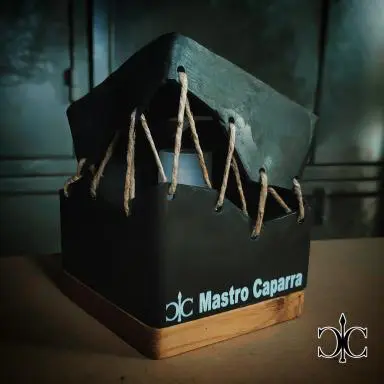
Carrying forward the craft passed down by his father, Mastro Caparra recently created a striking lamp using raw wood, oxidized iron, and coarse twine. More than an object, it is a narrative — a sculpture of memory and place. The wood speaks of nature’s permanence, the untreated iron reveals the honesty of material, and the twine, common in farming homes, ties it all to a rural past of the the small town of Isola del Liri, Lazio, Italy.
See the whole story of this lamp here
Miguel Stuyck
Specialised in the handcrafted alfombras and tapices, Miguel Stuyck honours over 300 years of family mastery.
In Spain, “alfombra” can describe anything from a salon rug to a small corner piece. While tapices are a decorative wall hanging that tells a story through images and colors.
The tradition began in 1721, when King Philip V invited Jacobo Vandergotten, a famous weaver from Belgium, to open Spain’s first tapestry workshop. Since then, the Stuyck family, direct descendants of Vandergotten, have continued this work for ten generations.
Get to know more about the family here.
Fabien Glineur
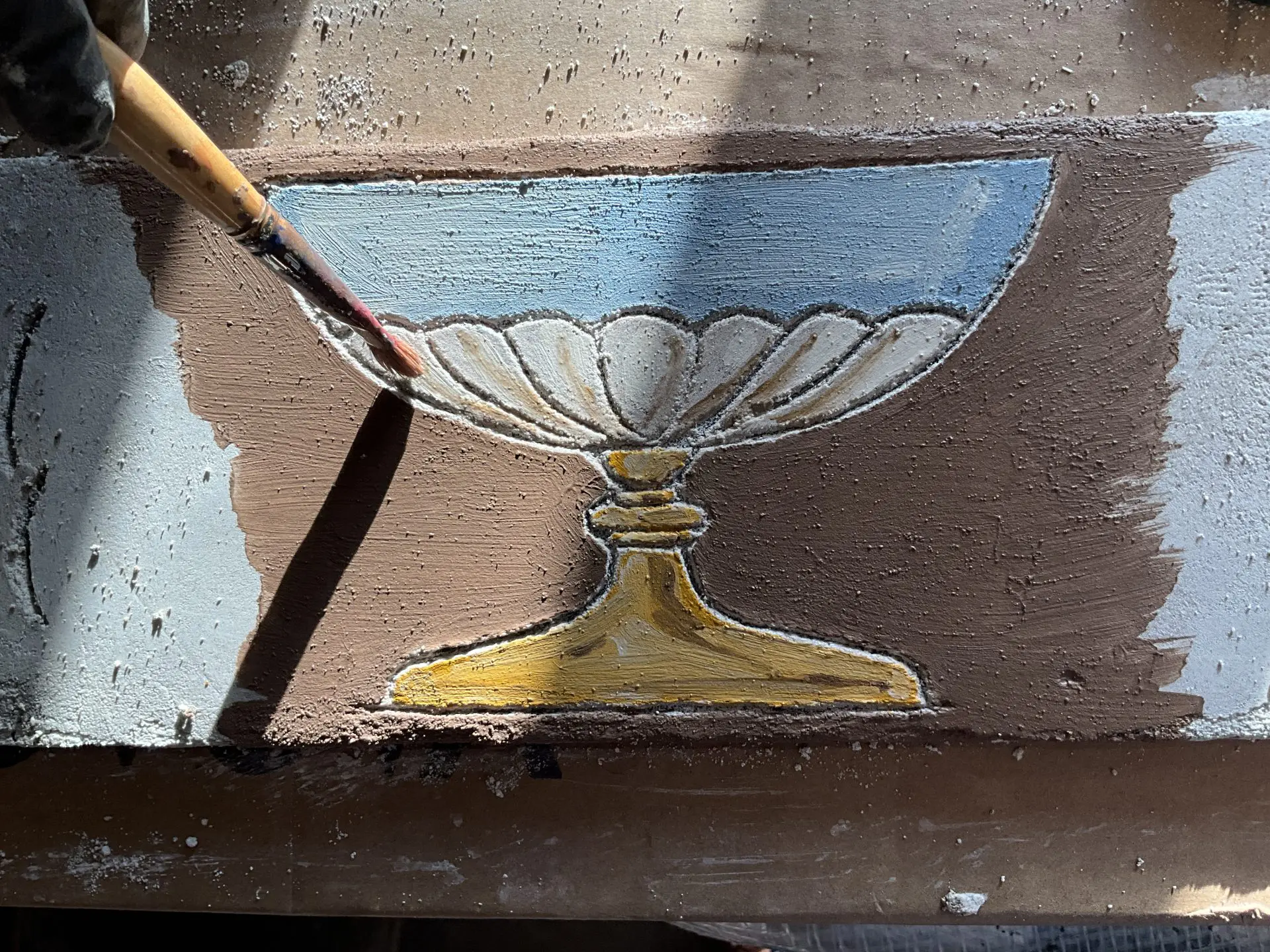
In the quiet corners of Brussels, where façades whisper stories in color and line, Fabien Glineur is one of the few remaining artisans devoted to the rare craft of sgraffito restoration, Glineur works not just with plaster and pigment, but with memory itself.
His work reminds us that Europe is not one story, but many – a mosaic of craft traditions, regional voices, and artistic vocabularies.
Uncover the passion, process, and heritage behind hid craft.
Mahina Huot
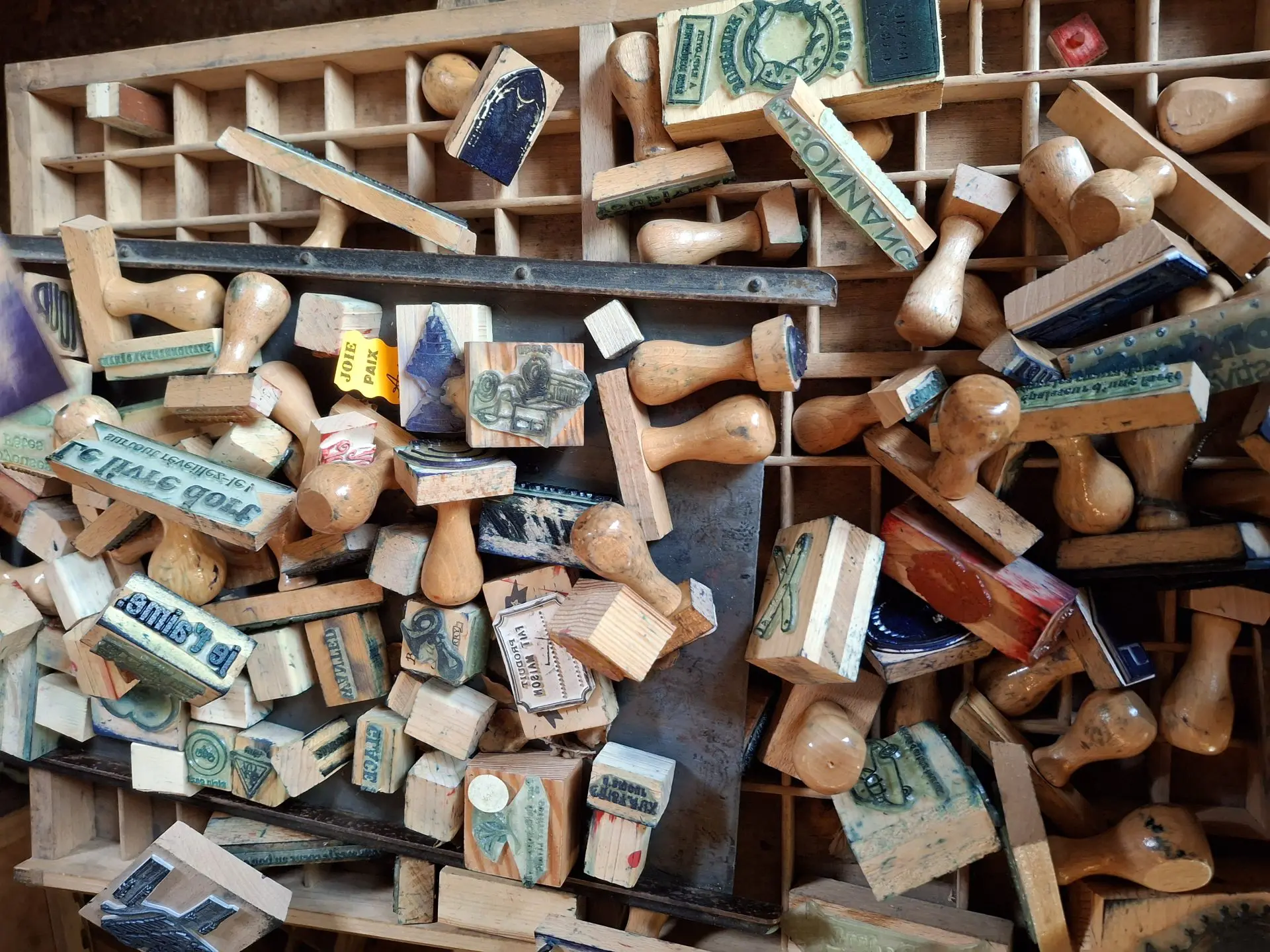
The Alsatian word Stampfel, meaning “stamp,” is at the heart of her work: small objects that leave lasting impressions.
Founded by Mahina, a designer-engineer from Alsace and granddaughter of farmers, the brand brings new life to old tools, turning forgotten printing techniques into timeless expressions.
Get to know the hands and heart behind the work.
Ulrike Isensee
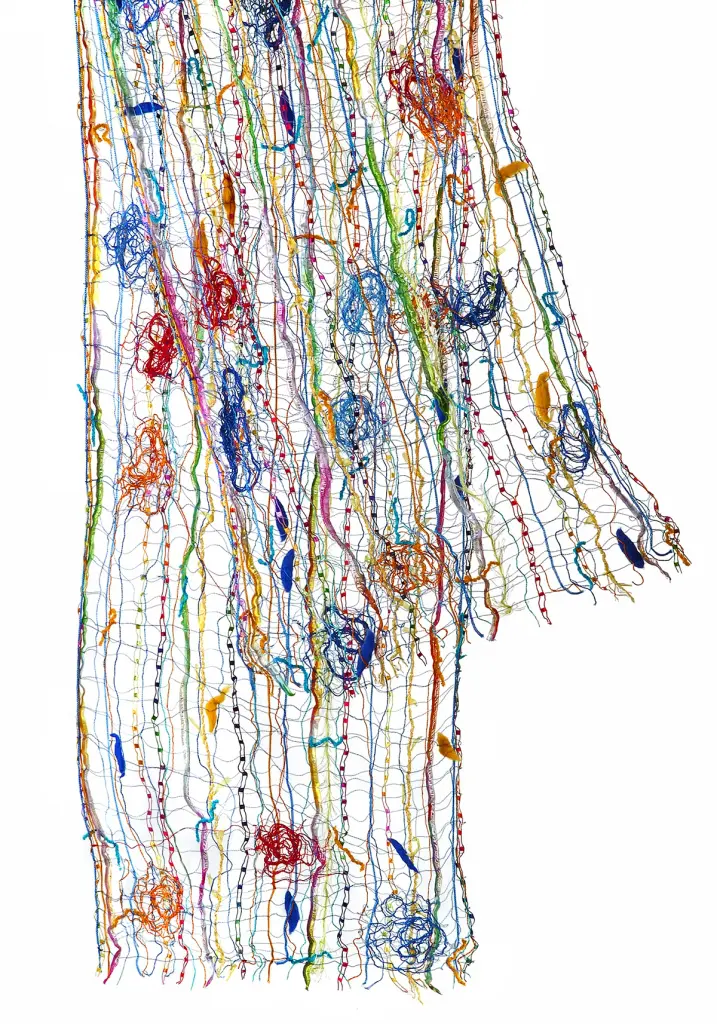
In Hamburg-Altona’s multicultural district, Ulrike Isensee transforms hand weaving into a personal language. Inspired by Mexican textile traditions and trained in Germany, she breaks the grid of the loom to create airy scarves and abstract wall pieces.
Her work blends art, design, and fashion, using recycled materials and techniques that defy industrial replication — showing how craft can cross borders and tell global stories.
Trace the path from inspiration to creation.
Ioachim Mihai Rus
In Dănești, in the heart of Maramureș, Ioachim Mihai Rus does more than work with wood: he sculpts it according to the principles of traditional Maramureș craftsmanship. His creations, monumental gates, columns, terraces, and everyday objects are identity markers carved into both material and time. His work is a living example of how cultural diversity, deeply rooted in local territories, is the true wealth of a united Europe.
Maramureș woodcraft is renowned for its imposing carved gates, adorned with spiral motifs, twisted rope patterns, and sun symbols — ancient decorative elements believed to bring good fortune and symbolize harmony with nature.
Take a peek at the ideas and passion behind their work.

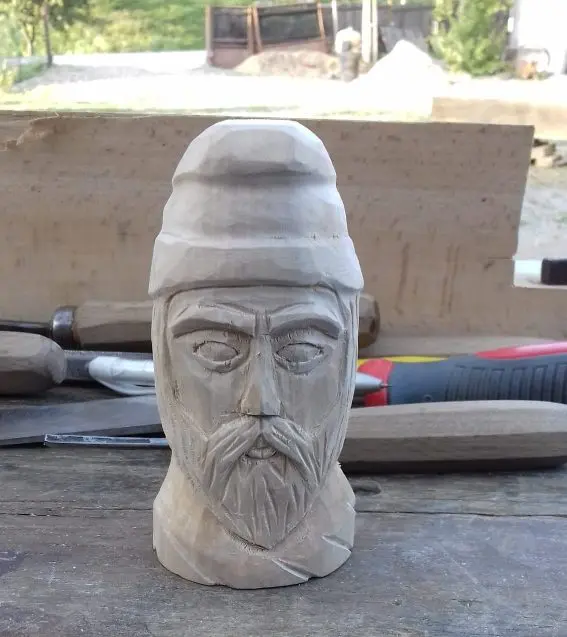
“I consider myself European, especially when thinking about people as a whole, I’ve never really noticed big differences between us. When I meet people from different cultures and get along easily, it makes me feel there’s a real link between our communities. It’s something I recognise in myself, and from personal interaction.”
Mastro Caparra, 2025
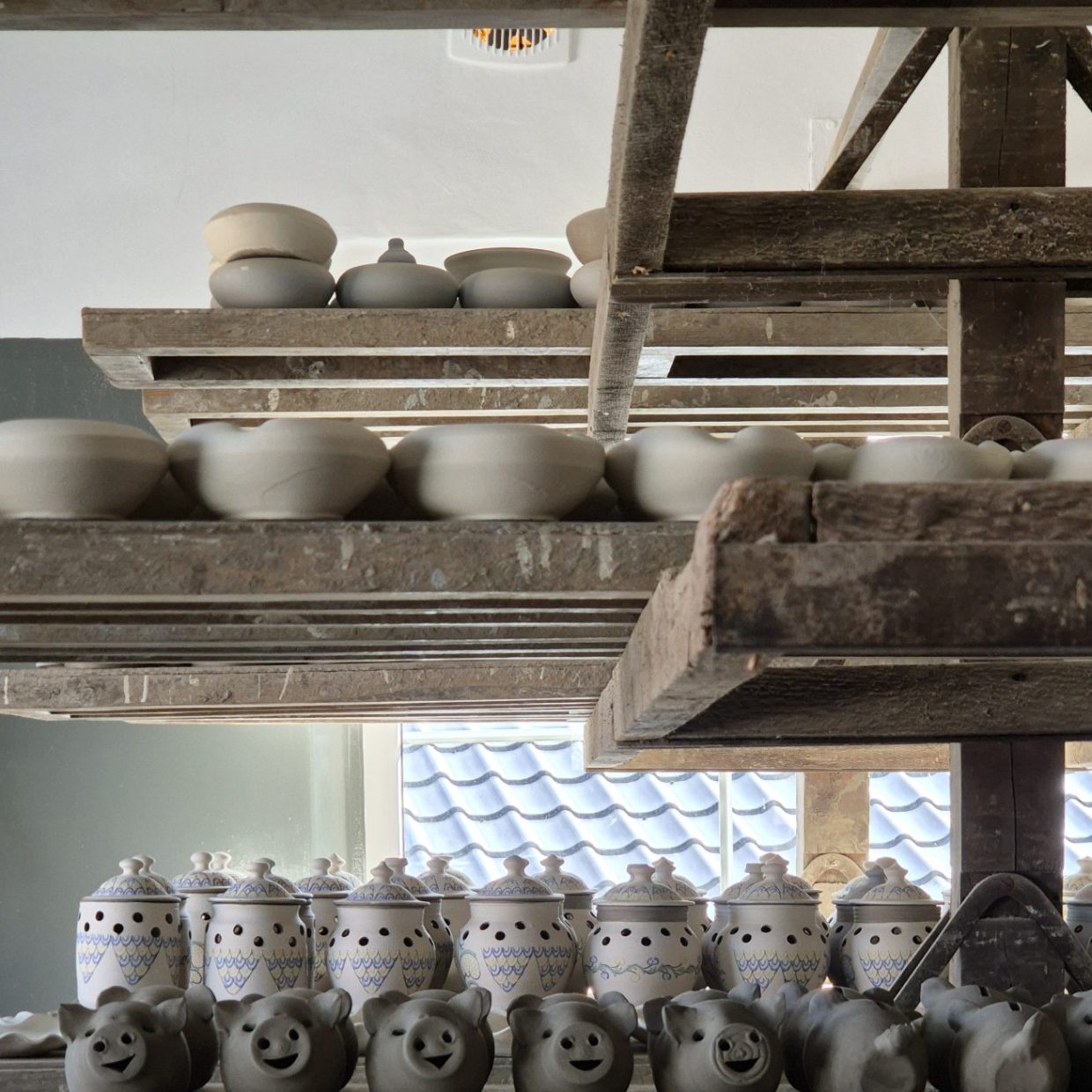
POLAND : Necel Kashubian Pottery Studio
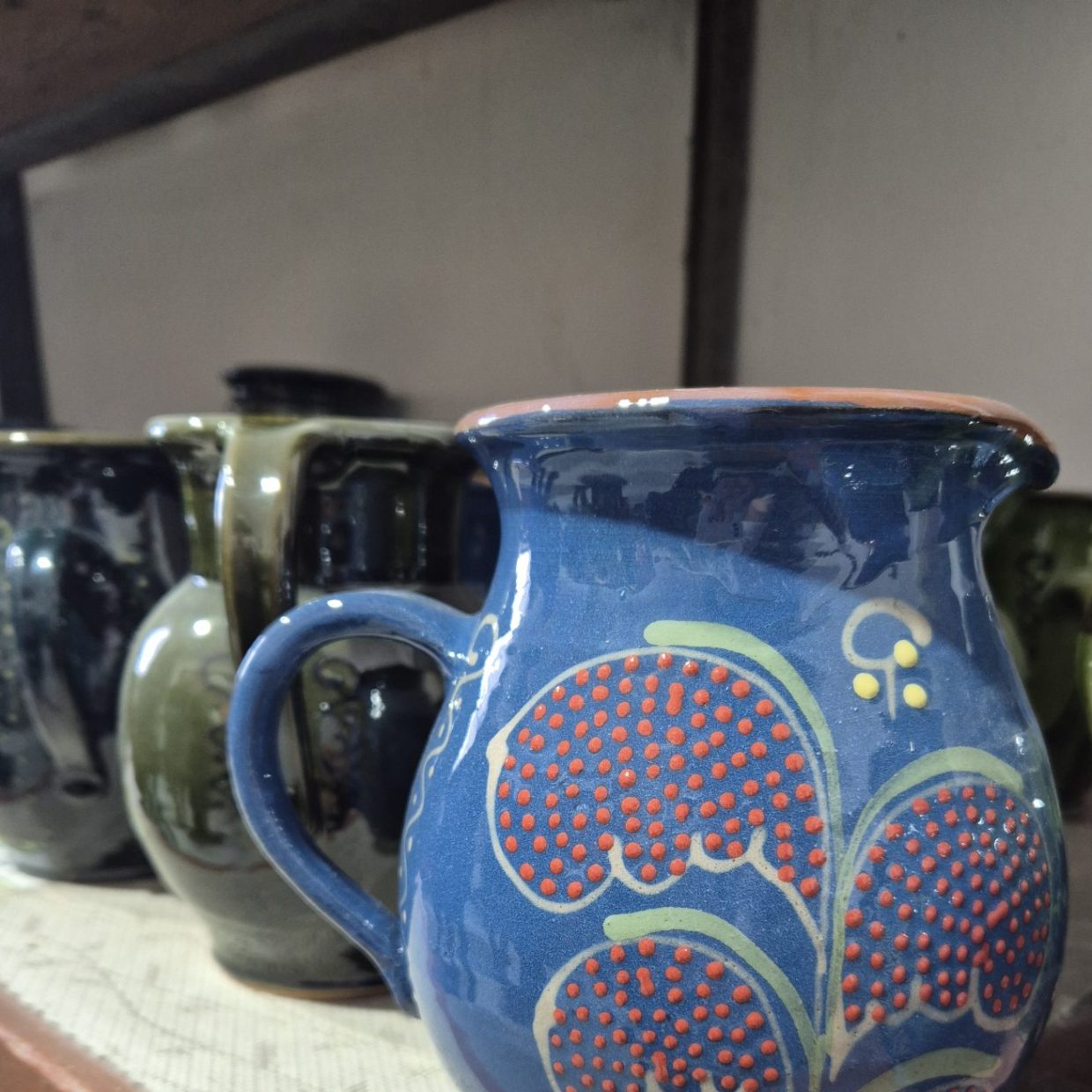
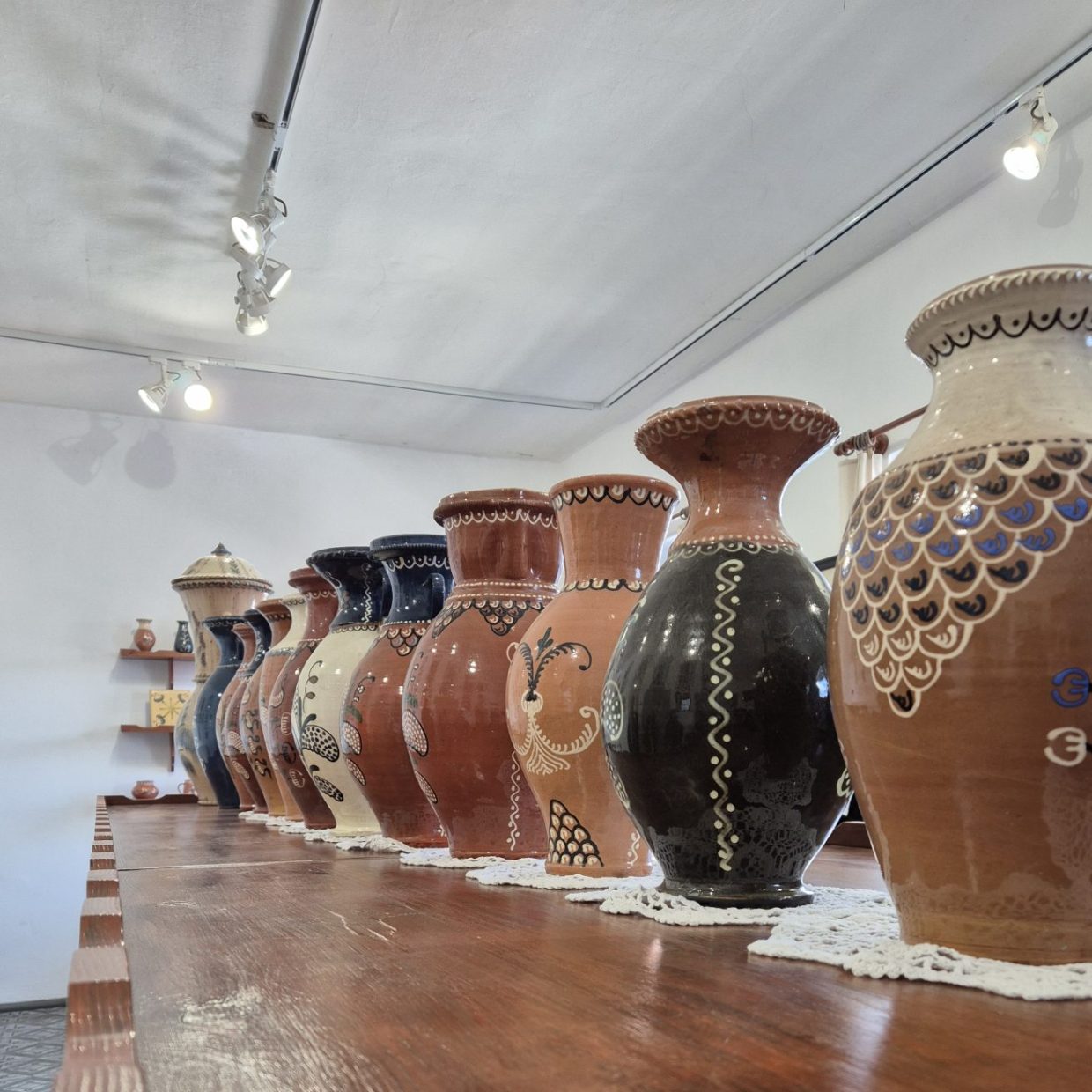
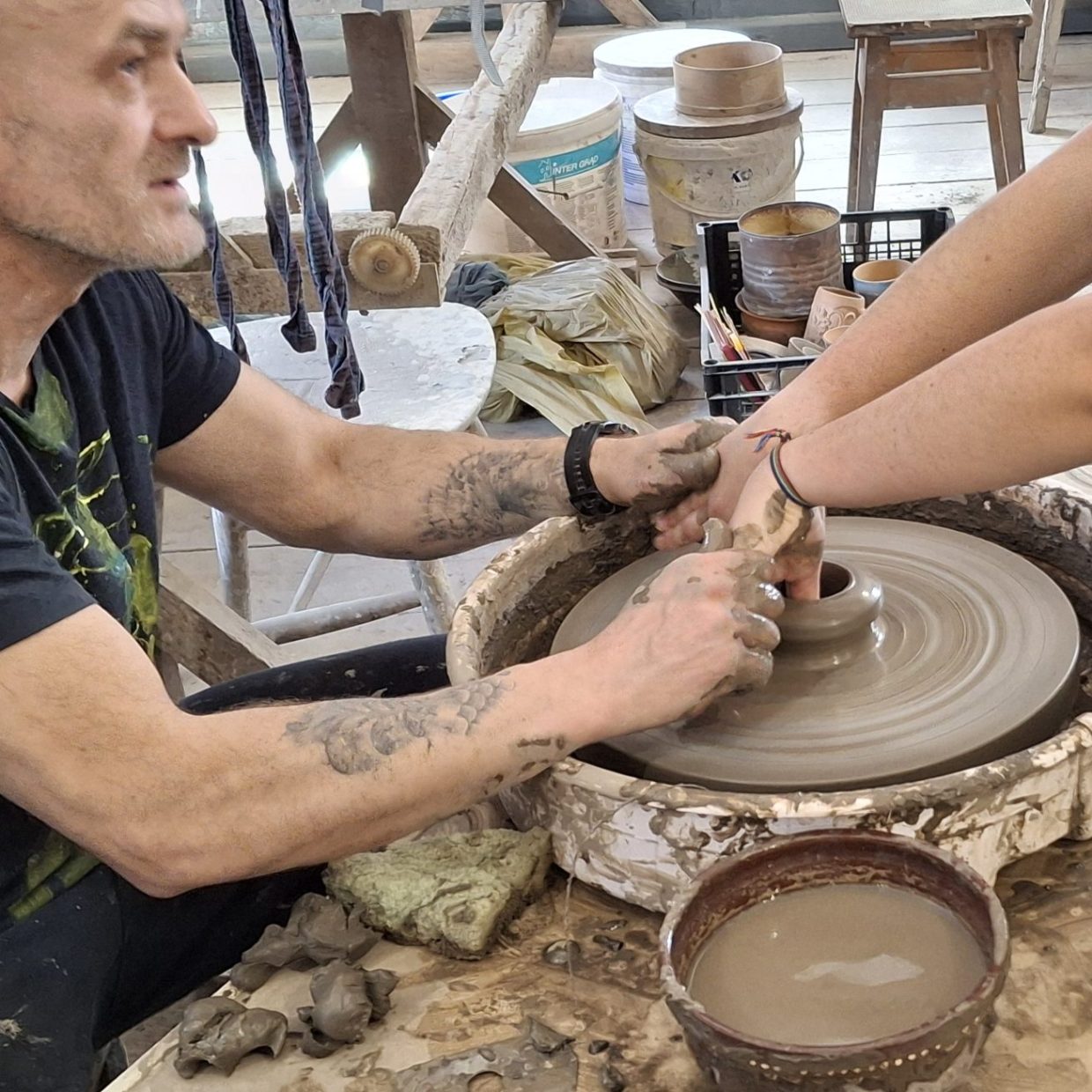
Nestled in the picturesque village of Chmielno, Poland, the Necel family’s workshop preserves a tradition that has lasted for ten generations.
We had the pleasure of visiting it as part of the BRICKS project, discovering the creation of Kashubian ceramics and the decorative patterns such as fish scales and the Kashubian star.
These unique designs, passed down for over 150 years, are still an integral part of their jugs, plates, and other pieces. Each item tells the story of a community that has made pottery a true expression of cultural identity.
GREECE : Epirus silversmithing at Ioannina’s castle-bound museum
Shouldn't the European Cultural compass include craft?

At Mad’in Europe, we believe traditional crafts are not side notes—they are central to Europe’s cultural identity, heritage, and economy. Yet, they remain largely overlooked in policy.
As the European Commission launches its Culture Compass, we urge decision-makers to ensure crafts are fully included. Recognition isn’t enough—we need long-term policies, shared frameworks, legal support, and true bottom-up engagement. Without craftspeople, cultural richness cannot thrive.
If culture is the lifeblood of Europe, crafts must be part of its pulse.
For an in-depth look, read our article on “The Cultural Compass.”
EUROPEAN SHOPPING : Discover the unique value of handcrafted pieces – rich in tradition, quality and meaning. Shop directly from European craftspeople and support living heritage.

Friends of Europe

This May, we celebrate Vyshyvanka Day for the third time – honouring Ukraine’s embroidered shirt as a symbol of identity, memory, and resilience. The 2025 theme, “Occupied Heritage: Don’t Let It Fade. Preserve It for the Future,” highlights the destruction of cultural heritage in occupied regions and the urgent need to preserve it.
Two key initiatives mark this effort:
- the reconstruction of 12 traditional outfits from occupied areas and
- a scholarly catalog of over 100 embroidered shirts from Luhansk.
For artists like Nataliya Matveeva of Zaporizhzhia, embroidery is a way to keep culture alive – a quiet but powerful form of resistance and connection across time and borders.

“As we marked 75 years since the Schuman Declaration, we’re reminded that unity is not built on sameness, but on shared values expressed through diverse traditions. Across workshops, studios, and historic streets, Europe’s artisans carry forward the spirit of craftsmanship that weaves us together. By honouring their work, we honour the cultural soul of Europe – living, evolving, and shaped by every hand that creates.”
Mad’in Europe 2025


