Abrir en una nueva pestaña - Resultados de búsqueda
library

Interweaving Nature

Categoría

Boletines

Fecha de publicación

29 de mayo de 2026

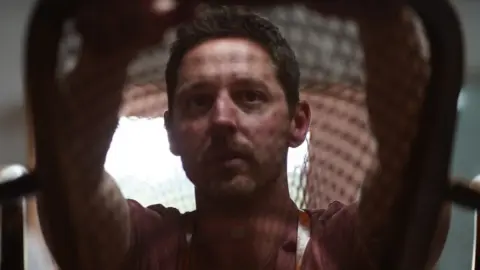
As exploed through the CRAEFT project, in which Mad’in Europe is a partner, hand gestures and material interactions in crafts can be understood through four main categories: adding, subtracting, transforming, and interlocking. Techniques such as weaving, knotting, braiding, binding, or interlacing belong to this last category, where flexible elements are assembled through rhythm, repetition, and the movement of the hands.

The video from the CRAEFT YouTube channel introduces the gesture of interlocking, highlighting how craftspeople bring separate elements together through weaving, braiding, knotting, and other techniques.

As World Environment Day approaches, this edition of the newsletter focuses on the relationship between hand dexterity, embodied knowledge, and natural materials. Willow, wicker, roots, straw, and grass are among the most locally available raw materials across Europe, and their properties have shaped a wide variety of techniques, objects, and regional craft traditions. Through continuous negotiation between hand and material, craftspeople transform these organic elements into functional or decorative forms while preserving a deep understanding of natural cycles, resistance, flexibility, and resourcefulness. These practices also raise a question:

What can we create with the resources that already exist around us?

 Looking at traditional craft knowledge may not only help us understand the past, but also inspire more sustainable ways of designing and producing in the future.

Every woven object begins long before the first gesture. It starts in fields, wetlands, forests, and riverbanks, where the fibres used by basket makers have been gathered and cultivated for generations. In the following article, we explore the origins of some of Europe’s most widely used weaving materials and the knowledge required to transform them from natural resources into objects of everyday life.

Fibres : from te field to the hand
Read our article here

Basket-making and cane weaving reveal how a single gesture can generate an extraordinary diversity of forms, textures, and uses. From functional baskets and seating to contemporary decorative pieces, these practices continue to evolve through artisans who reinterpret traditional techniques in their own way.

Keep scrolling and discover basket makers, cane weavers, and craftspeople from different European countries whose work explores natural fibres through distinct materials, gestures, and creative approaches.
L’Art du Cannage


Working with natural cane and traditional caning techniques, Loïc Ravaux restores and creates handwoven seating that preserves the gestures and precision of this interlacing craft.

Wonders of Willow
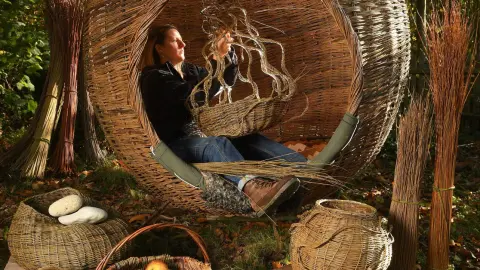

Based in rural Ireland, Helen Munday creates handcrafted willow baskets using self-harvested natural materials and traditional weaving techniques closely connected to seasonality, sustainability, and everyday life.


Kosashvili’s Basket Weaving Workshop
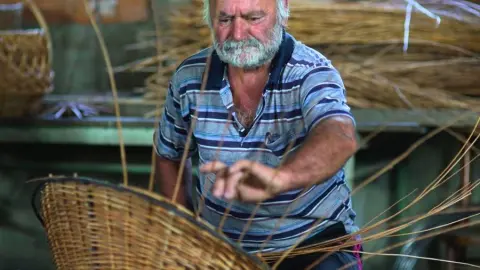
In the Georgian village of Kvemo Gomi, the Kosashvili family preserves traditional basket-weaving techniques through handcrafted willow baskets, woven objects, and furniture rooted in local knowledge and rural life. Through family transmission and public masterclasses, the workshop contributes to keeping Georgian basketry heritage alive across generations.

Otros recursos

Más allá del objeto: Joyería, Artesanía y Responsabilidad

La joyería pide ser admirada, pero también merece ser cuestionada. Antes de convertirse en algo…

Bélgica, tierra de artesanía

Aunque Bélgica pueda ser la «oficina» de la UE, hay un lado mucho más vivo…
CRAFTOUR

CRAFTOUR: Impulsar la artesanía en la agenda política de la Unión Europea

CRAFTOUR: 75 socios, 21 países, una visión CRAFTOUR es una iniciativa europea, coordinada por Mad’in…
paper

Newsletter: La versatilidad del papel

El papel es un material que encontramos a diario, pero cuya profundidad cultural y potencial…

Invita a un contacto