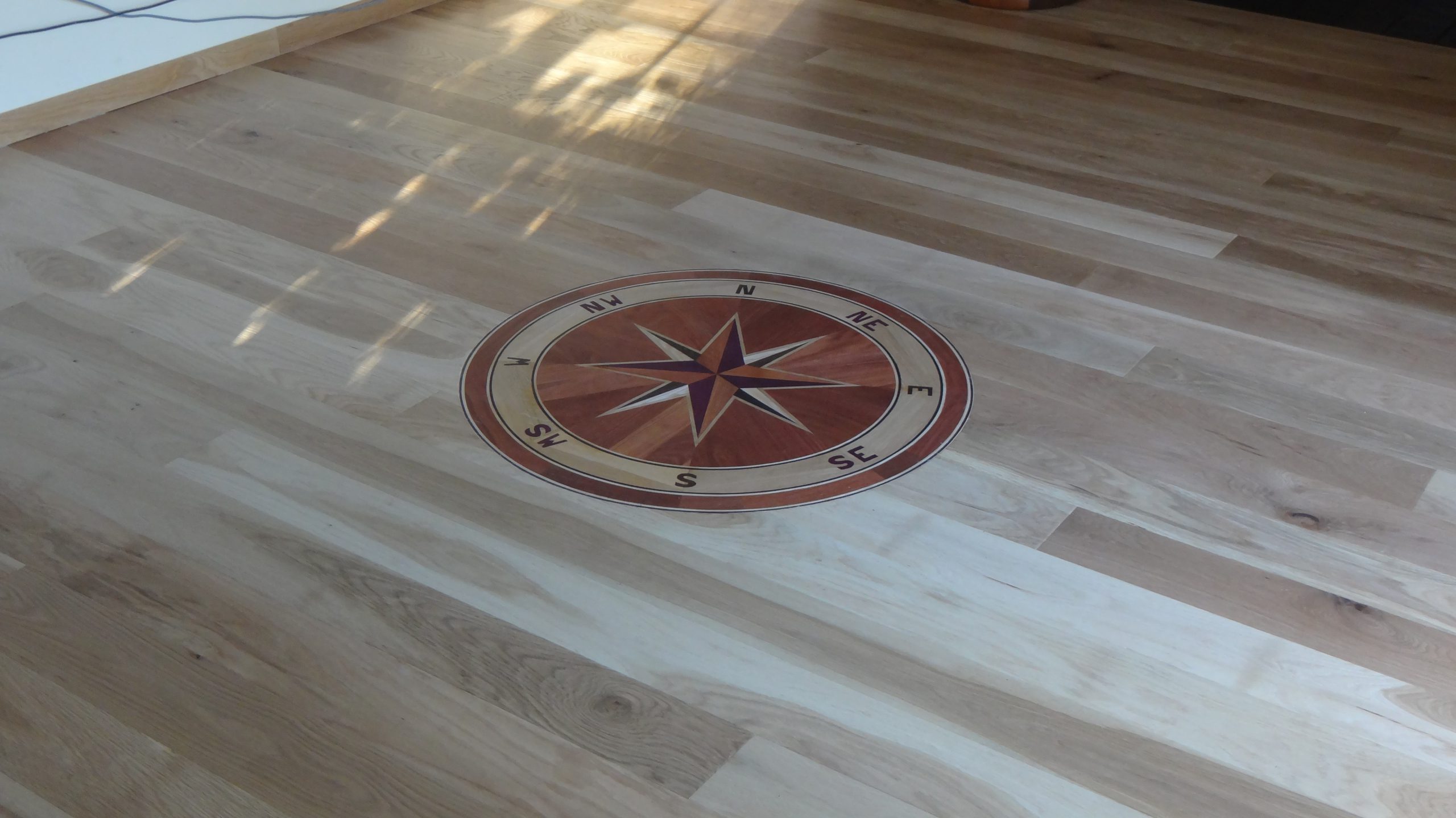
Visit of Musée Charlier – Step n. 10. Take a look at the floor. Observe the intricate pattern which follows geometric lines and reveals an aesthetically delightful symmetry.
Making a parquet floor must take a very long time. This kind of woodwork consists of several tiny, delicate pieces arranged in a geometric design that resembles a mosaic.
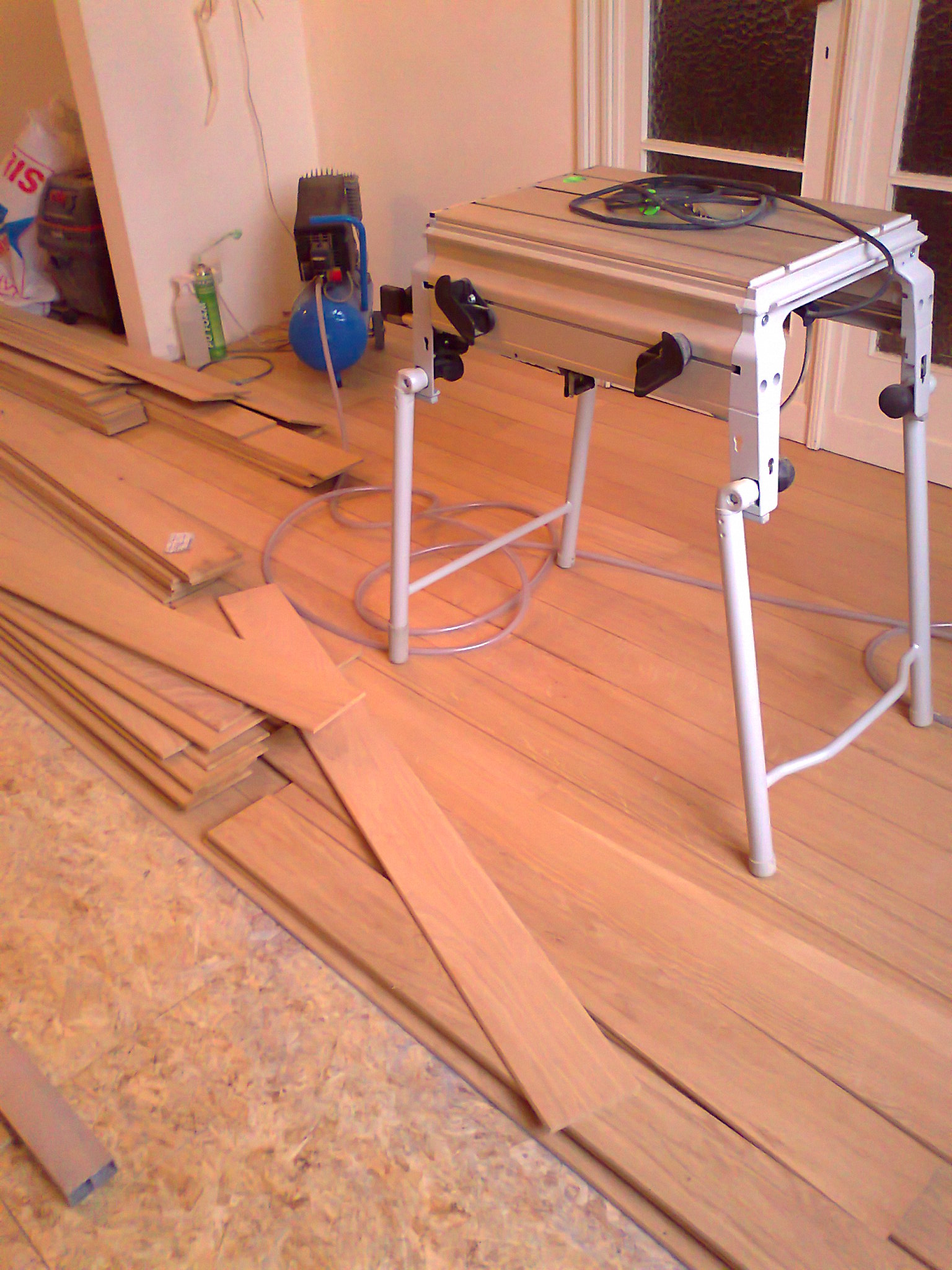
Making a parquet floor takes a very long time. This kind of woodwork consists of several tiny, delicate pieces arranged in a geometric design that resembles a mosaic. The French term parquet rhymes with the word tray. In actuality, the flooring of the Palace of Versailles appears to have been the first to adopt this style of woodwork, which is French in nature. It has a decorative quality and can be applied to both flooring and furniture, including tabletops. Depending on its qualities and the setting where it will be installed, wood flooring can be installed in a variety of methods. Three methods are used to install parquet flooring: nailing, glueing and floating. Traditional laying methods include nailing. This method of laying is also best suited for multilayers or pieces that are 14.5 and 22 mm thick and have perimeter interlocking. In order for the nails to secure the wood battens, a supporting structure must be provided. The laying structure might be either a layer of wood spread directly on the screed or a crosswise arrangement of battens known as magatels. They are positioned in the concrete screed or affixed to it. All parquet types and laying patterns can be used with glued laying. The wooden components in this laying are attached directly to the subfloor. Because parquet may be attached to preexisting floors, this particular laying method is quicker and more cost-effective. Floating laying can be done on any type of surface. This laying technique is best suited for massive wood elements. They are placed on top of a cork or wood fibre board, which is then layered on a vapour barrier polyethylene sheet.
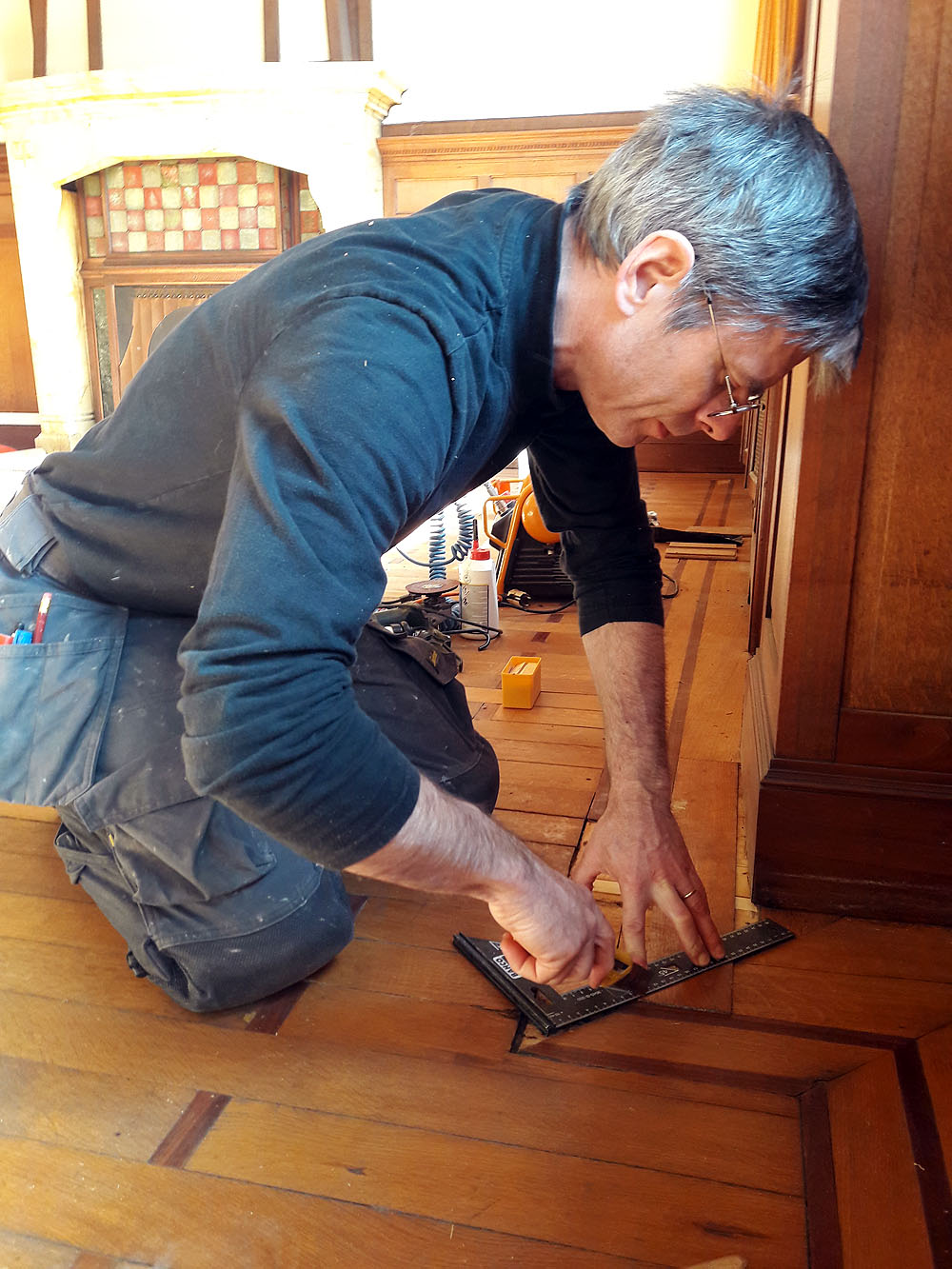
Picture how much it might take to design, cut and place all the pieces of wood that compose this pavement. Can you imagine the patience and the precision it takes? Guy Provencher knows this feeling well. He is a professional artisan who works in the restoration of timberworks in historic buildings, constructing floors, parquet floors, and stairs. Check out his profile to learn more about his work.
PARQUETERY RELATED CRAFTS TODAY