Open in new tab - Back to search results

Oz Instruments

General presentation

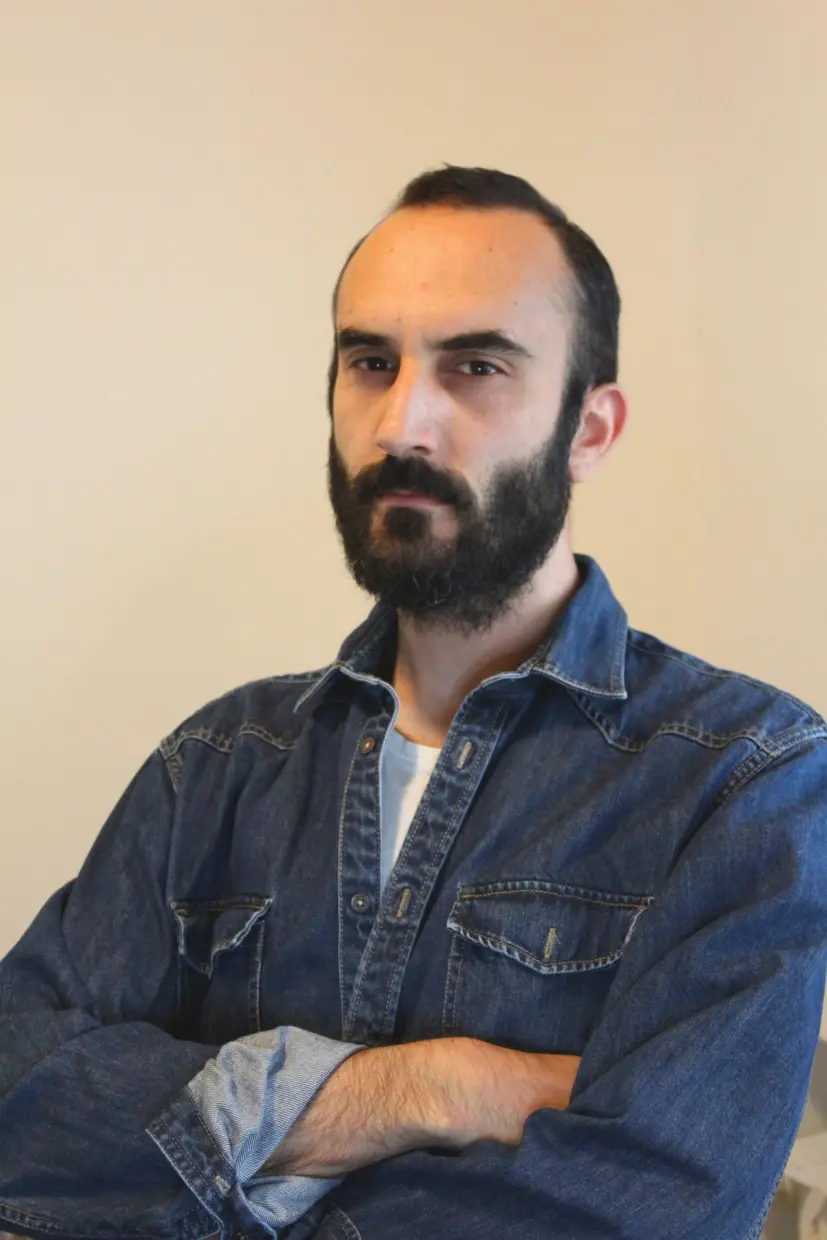
Emanuele Dubini, founder of OZ Instruments, is a craftsman and luthier committed to reviving the historic art of handcrafted plectrums. Drawing on centuries-old traditions, he creates picks that are considered an essential part of the instrument itself, enhancing both sound and comfort.

Working exclusively by hand with sustainable, natural materials such as certified woods, horn and bone, his process blends sculptural technique with ergonomic design. Each piece is crafted with great care, reflecting a deep respect for music, nature and the well-being of the musician.

Through OZ Instruments, Dubini aims to preserve and renew tradition, while ensuring that music remains connected to the natural world and to the individual who plays it.

Emanuele Dubini, fondateur de OZ Instruments, est un artisan et luthier engagé dans la renaissance de l’art historique de la fabrication artisanale de médiators. S’appuyant sur des traditions séculaires, il crée des médiators considérés comme une partie essentielle de l’instrument, améliorant à la fois le son et le confort.

Travaillant exclusivement à la main avec des matériaux naturels et durables tels que des bois certifiés, de la corne et de l’os, son processus allie technique sculpturale et design ergonomique. Chaque pièce est fabriquée avec grand soin, reflétant un profond respect pour la musique, la nature et le bien-être du musicien.

À travers OZ Instruments, Dubini vise à préserver et à renouveler la tradition, tout en veillant à ce que la musique reste liée au monde naturel et à l’individu qui la joue.

Emanuele Dubini, fundador de OZ Instruments, es un artesano y lutier comprometido con revivir el arte histórico de la fabricación artesanal de púas. Basándose en tradiciones centenarias, crea púas consideradas una parte esencial del instrumento, mejorando tanto el sonido como la comodidad.

Trabajando exclusivamente a mano con materiales naturales y sostenibles como maderas certificadas, cuerno y hueso, su proceso combina técnica escultórica y diseño ergonómico. Cada pieza está elaborada con gran cuidado, reflejando un profundo respeto por la música, la naturaleza y el bienestar del músico.

A través de OZ Instruments, Dubini busca preservar y renovar la tradición, asegurando que la música permanezca conectada con el mundo natural y con la persona que la interpreta.

Emanuele Dubini, fondatore di OZ Instruments, è un artigiano e liutaio impegnato a far rivivere l’arte storica della realizzazione artigianale di plettri. Ispirandosi a tradizioni secolari, crea plettri considerati parte essenziale dello strumento stesso, migliorandone sia il suono sia il comfort.

Lavorando esclusivamente a mano con materiali naturali e sostenibili, come legni certificati, corno e osso, il suo processo unisce tecnica scultorea e design ergonomico. Ogni pezzo è realizzato con grande cura, riflettendo un profondo rispetto per la musica, la natura e il benessere del musicista.

Attraverso OZ Instruments, Dubini si propone di preservare e rinnovare la tradizione, assicurando che la musica resti connessa al mondo naturale e all’individuo che la suona.
Category

Business Areas

Professions

Products

Materials

Location

Arcore
Province of Monza and Brianza
Italy
Arcore
Province of Monza and Brianza
Italy

“In the long dialogue between materials and sound,” says Italian craftsman Emanuele Dubini, “few objects tell as much as the plektron, ‘that which strikes’.”

For centuries, the turtle shell was considered the perfect material: warm, elastic and elegant. Its use, however, was banned in 1973 under the Washington Convention on International Trade in Endangered Species of Wild Fauna and Flora.

The 19th century marked a turning point with the invention of celluloid, the first modern plastic. It made it possible to reproduce the flexibility of turtle shells without taking any more lives. The pick entered the industrial era, but it lost its artisanal soul. Wood, bone and metal have all been used through the centuries, as each era sought the perfect balance between resistance and sensitivity, strength and touch.

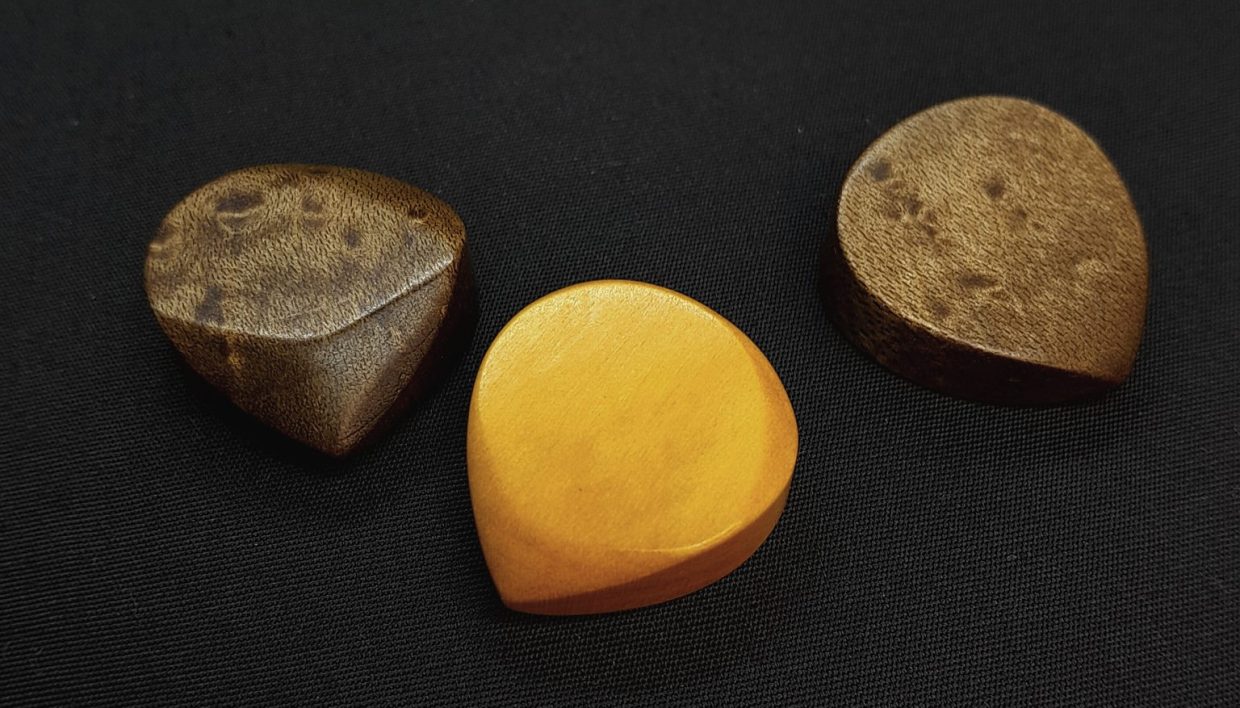
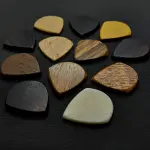
Cocobolo
Ebony
Branckwood

From turtle to coin: the journey of the pick through matter and time

For many guitarists, choosing a pick is an act of identity, a way to shape their own voice.

Brian May, the legendary Queen guitarist, has long used a sixpence coin instead of a pick, favouring coins minted before 1950 when the nickel content was higher. “With plastic, I cannot feel the strings,” he explained. “With the coin, I can, every vibration passes through my fingers.”

Kurt Cobain’s orange pick, used for the recording of Nevermind and later the most expensive plectrum ever sold at auction, bore a turtle design, a symbolic nod to the ancient material. The turtle also remains a common icon among plectrum makers.

SIXPENCE
ORANGE PICK

The return to the hand: Emanuele Dubini 

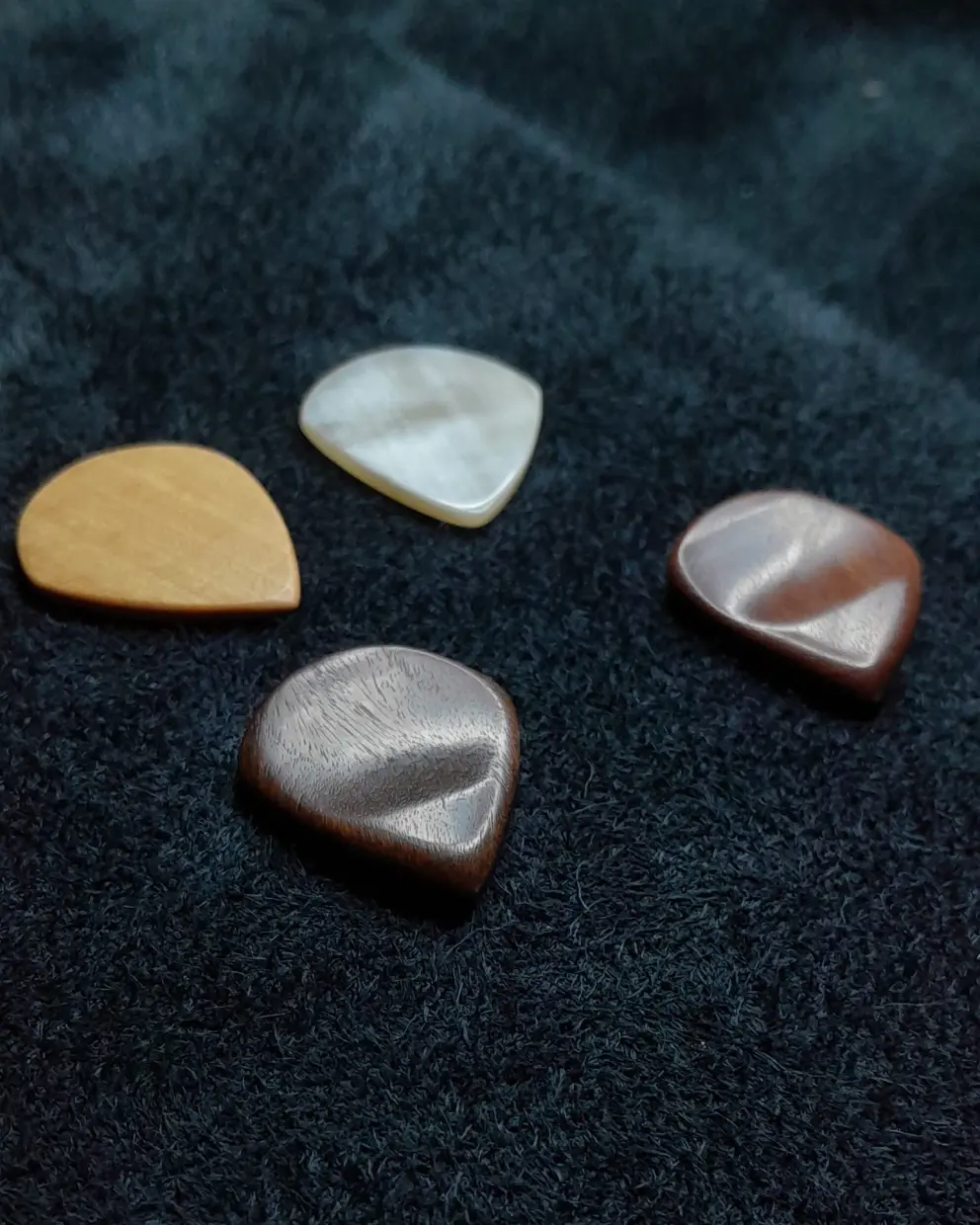
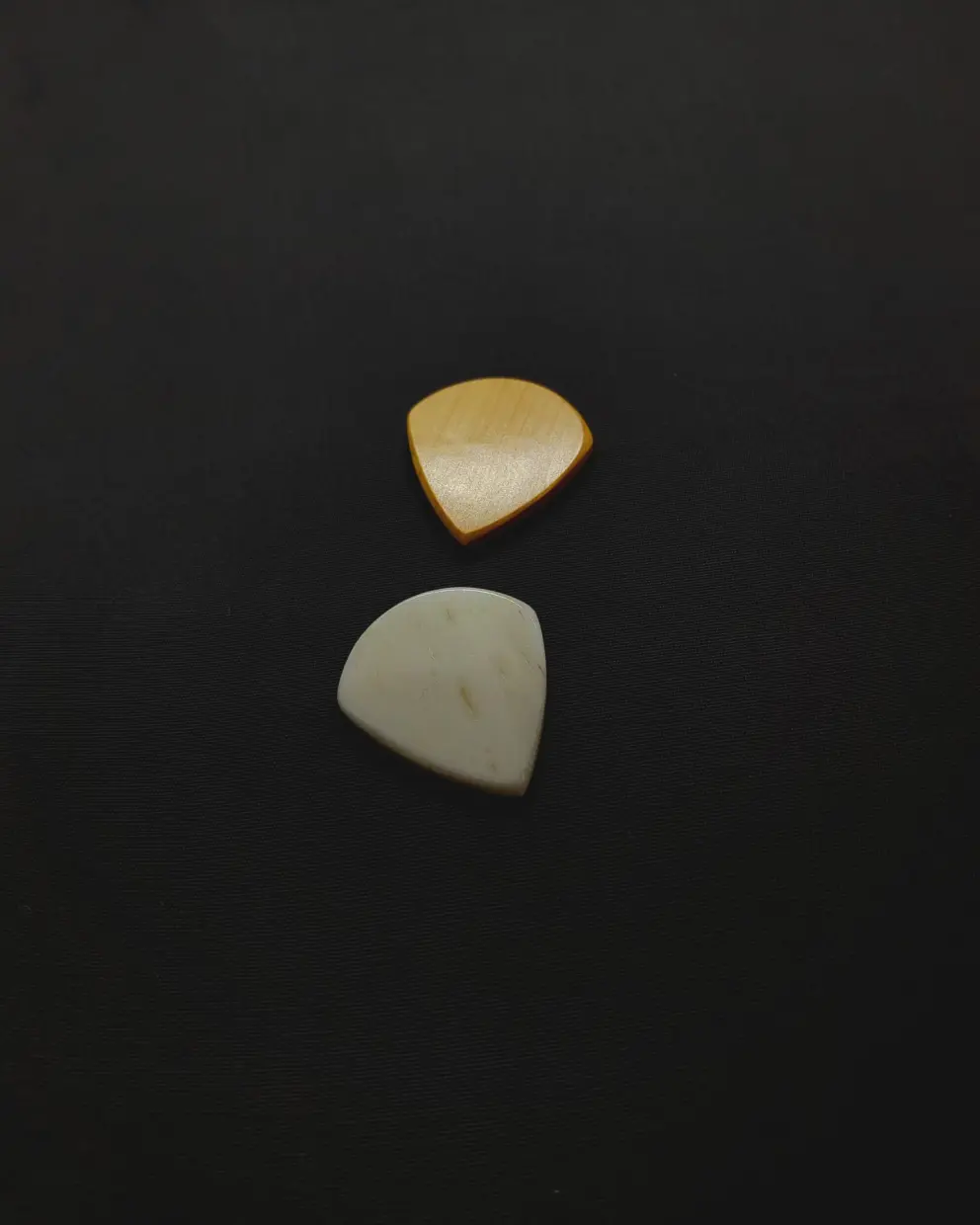
Today, in his Italian workshop OZ Instruments, craftsman Emanuele Dubini brings the plectrum back to its original essence. Each piece is born from high-quality natural materials such as Gabon ebony, bone and horn, and is carved entirely by hand.

“I studied the original outlines of artisanal plectrums from the mid and late 1800s, when they were made by musicians and luthiers themselves from bovine horn and bone, bark and local wood,” he explains. “Alongside these, by observing various vintage and modern electric guitar armrest bevels, I have explored and experimented with an ergonomic design concept where traditional materials meet modern, effortless ways to hold and play instruments. This subtle approach is now appreciated by professional musicians and music lovers worldwide.” 

Dubini’s research is not only aesthetic but also ergonomic and sonic: the plectrum must adapt to the body like an extension of the hand, vibrating in harmony with the one who holds it.

His acoustic studies explore how traditional and innovative materials enhance tone and dynamics. Each piece is carefully selected for its density, specific weight, structure and sound response, offering different expressive possibilities.

“Until the 19th century,” Dubini continues, “it was customary for musicians to craft their own plectrums or have them made by trusted luthiers. This allowed them to achieve the desired characteristics and cultivate a distinctive sound. Consequently, the plectrum was regarded as an integral component of the musical instrument, serving as a complement rather than an accessory.”

Building on his background in lutherie, Dubini has revived this tradition of handcrafted plectrums using local and exotic woods, bone, horn and other natural substances. His aim is to create objects that harmonise with the components of musical instruments, emphasising thick, ergonomic designs.

“I operate exclusively by hand. I divide my production between models made entirely with hand tools and those made using both hand and power tools.”

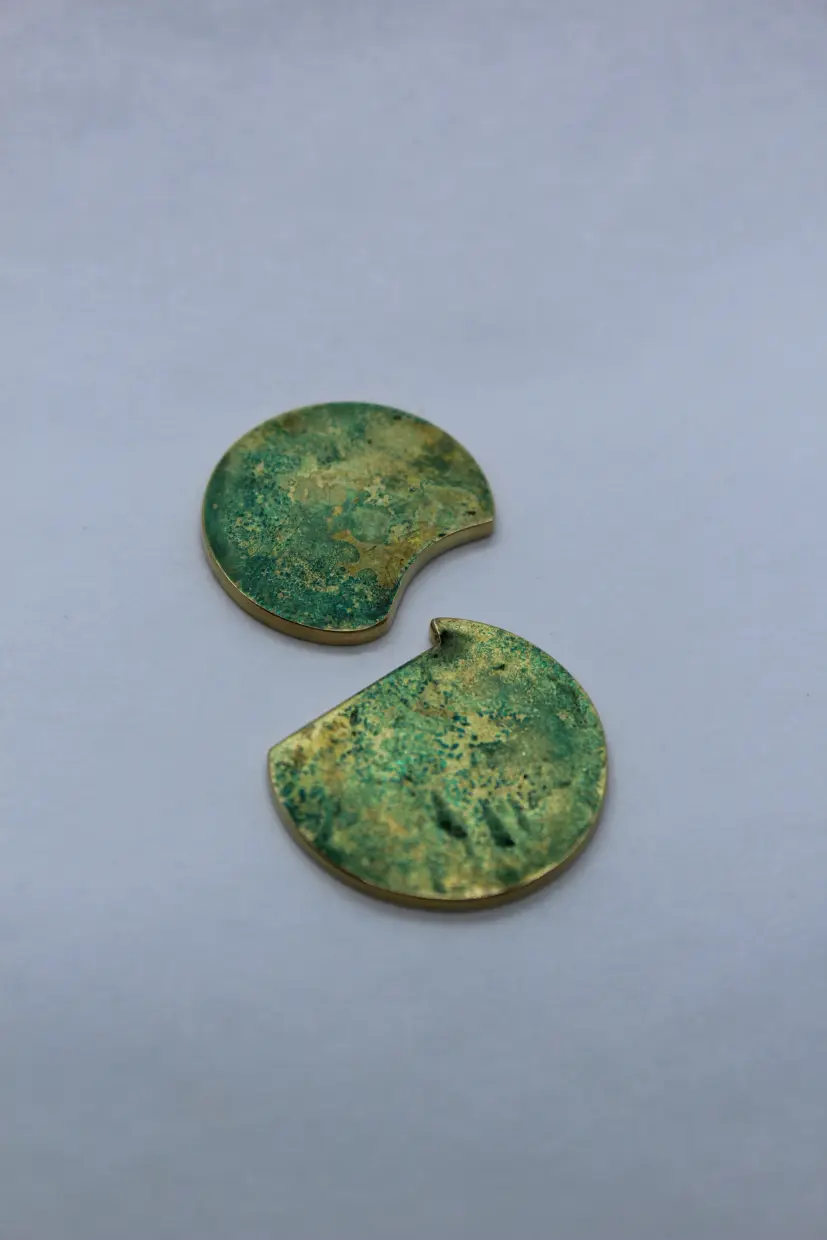
My process employs sculptural techniques: I begin by thickening the material, whether wood, bone, horn, walnut or metal, then outline the shape with a jeweller’s fretsaw, refine the edges manually with a file or sander, and move on to sculpting the tips, edges and ergonomic bevels. Finally, I sand the surfaces and finish them with oil or wax to protect the material and enhance its vibrancy.”

With a deep commitment to sustainability and respect for nature, Dubini works almost exclusively with natural and certified materials. Selected woods come from local vendors or master luthiers’ workshops, while horn and bone are obtained only from naturally deceased animals. Each pick is finished with natural oil or beeswax, and Dubini even produces his own pigments and solutions to achieve distinctive colours and effects.

“I emphasise not just the construction of the plectrum and the selection of materials,” he explains, “but also comfort for the musician.

My models are designed with ergonomics in mind, featuring thicker picks and grip-enhancing lines that can help alleviate issues such as arthritis, osteoarthritis, carpal tunnel syndrome and nerve damage. By prioritising ergonomics, I aim to perfect the design of an object specifically intended for playability, much like the evolution of the violin’s chin rest or the rounded body of a lute that accommodates the arm.

This design philosophy allows musicians to play effortlessly and continue creating beautiful music.”

Oz instruments - plectrums

Dubini’s philosophy centres on attentiveness and care for both materials and form, ensuring that music remains connected to nature and that musicians maintain a connection with their own being.

“The materials I use for building plectrums,” he says, “are the same as those used in instruments themselves, linking their tone so that both benefit from shared material properties.”

“The materials I choose, such as bovine, camel, buffalo bone and brass, are the same used for the nut and the saddle of instruments,” he explains. “Meanwhile, exotic hardwoods like Gabon ebony or Ziricote are often used for fretboards or bridges, and softwoods like maple or mahogany for the body and neck.

This way, the tone of the pick and the instrument resonate together.”

“Each plectrum becomes a bridge between past and present, functional yet also an heir to a history that continues to resonate in the hands of musicians.”

He concludes, “my goal is to unite art, gesture and sound in a fragile yet perfect balance, keeping the link between matter, nature and music alive. I want every musician to feel that connection when they play.”

In his creations, Dubini finds the same alchemy that has accompanied the plectrum for three thousand years: the ability to unite art, gesture and sound in a fragile yet perfect balance. A small instrument, yes, but one capable of telling the oldest story in the world, the story between materials and music.

Related professionals

Luca Zerilli

  • Craftsmen-restorers
  • Musical Instruments and accessories
  • Udine, Italy

Marco Montina

  • Crafts Professionals
  • Musical Instruments and accessories
  • Udine, Italy

Liuteria Stanzani

  • Luca Stanzani
  • Crafts Professionals
  • Musical Instruments and accessories
  • Bologna, Italy

Invite a friend

Contact details

    Loading...